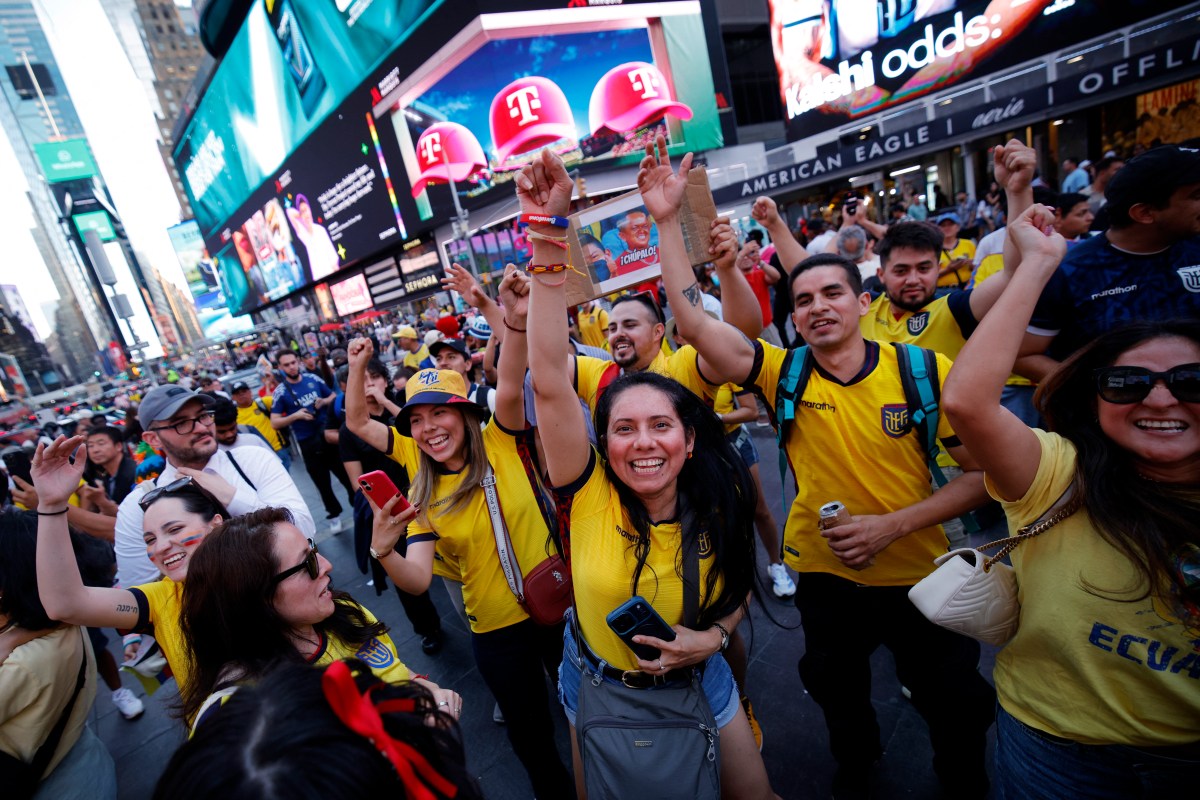
US Host Cities Bucking Trend of Underwhelming World Cup Boost
Summary
Cities in the U.S. hosting games for the 2026 FIFA World Cup are seeing more spending by visitors, especially from people traveling in for the matches. This rise in consumer spending contrasts with past concerns that the World Cup might not bring much economic benefit to host cities.Key Facts
- Consumer spending rose 5.4% in the 16 cities hosting World Cup matches from June 10 to 28, compared to last year.
- Nonlocal visitors (people from outside the cities) increased their spending by 17.4%.
- FIFA predicted the World Cup would add $80.1 billion globally, with $30.5 billion for the U.S. and around 185,000 new jobs.
- Before the event, some hotels in host cities reported fewer bookings and unsold tickets due to high prices and travel problems.
- Past research showed 12 of the last 14 World Cup host cities had economic losses, including a $9.3 billion total loss for host cities in the 1994 U.S. tournament.
- Early data shows cities like Seattle and Los Angeles, where the U.S. team played, had higher spending increases of 5.0% and 6.8%.
- Short-term rental demand rose during match days in cities like Dallas and Kansas City, but the increase in available rentals prevented big occupancy gains.
- Analysts will fully evaluate the economic impact after the tournament ends.
Read the Full Article
This is a fact-based summary from The Actual News. Click below to read the complete story directly from the original source.