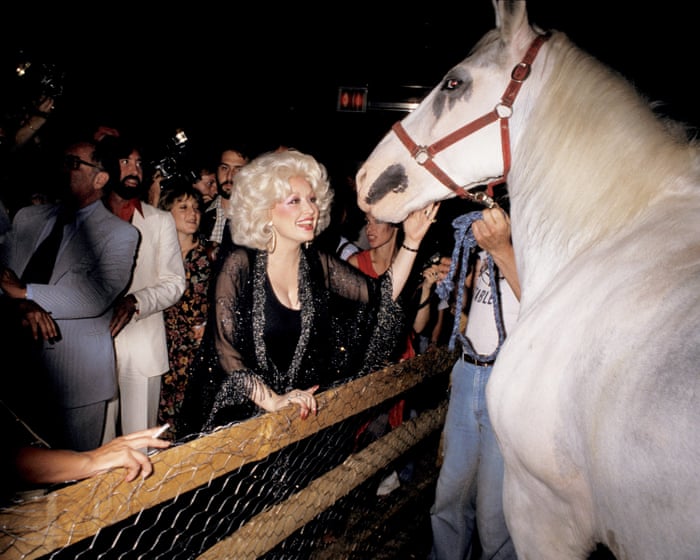
Burning flags, busty blondes and bison skulls: 48 photographs that capture America at 250
Summary
Photography arrived in the United States around 1839 and quickly became a way for everyday people to capture their lives. Over time, photos not only recorded American history but also shaped how the country saw itself, blending truth with stories that sometimes left out or changed important facts.Key Facts
- Photography came to the U.S. in 1839 using the daguerreotype process.
- Early photos included ordinary people, such as gold rush miners, showing the wide reach of photography.
- Photographers like Carleton Watkins and Dorothea Lange used images to tell stories about the American West, labor, poverty, and segregation.
- Some famous photos, like The Scourged Back, showed the cruelty of slavery but were altered to create stronger abolitionist messages.
- The 1869 transcontinental railroad photo celebrated unity but ignored the Chinese workers who helped build it.
- Images of white men standing on bison skulls symbolized the exploitation of nature and Native people.
- Photos of the Dust Bowl in the 1930s documented environmental disaster and poverty, famously including the Migrant Mother image.
- Emmett Till’s open-casket photos in 1955 exposed racial violence to the public when many newspapers refused to publish them.
Read the Full Article
This is a fact-based summary from The Actual News. Click below to read the complete story directly from the original source.