When the ability to smell goes away
Summary
Many people experience problems with their sense of smell, such as total or partial loss. The COVID-19 pandemic brought more attention to these smell disorders, leading to increased research showing how smell affects quality of life and brain health.Key Facts
- Around 22% of people have some smell impairment, including complete loss (anosmia) or partial loss (hyposmia).
- Other smell disorders include phantosmia (smelling things that aren’t there) and parosmia (pleasant smells become unpleasant).
- COVID-19 caused millions of smell losses worldwide, making researchers study this sense more closely.
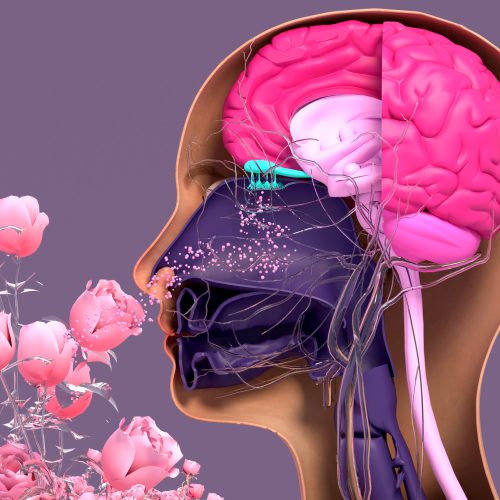
- Smell is linked directly to emotional and memory areas of the brain, unlike vision or hearing.
- The olfactory bulbs in the brain detect smells and can grow new neurons even in adults.
- These brain parts are vulnerable to viruses and toxins and may explain long-term smell problems.
- Chrissi Kelly lost her sense of smell 14 years ago and started patient groups and research efforts on smell loss.
- Historically, scientists underestimated the importance of smell, but new studies show it plays a key role in everyday life and brain function.
Read the Full Article
This is a fact-based summary from The Actual News. Click below to read the complete story directly from the original source.