Archaeologists uncover ancient Byzantine city in Egypt’s western desert
Summary
Archaeologists in Egypt discovered a well-preserved Byzantine-era city in the Dakhla oasis, including homes, streets, and a church from the fourth century. They also found ancient tombs and artifacts near Alexandria at the Marina el-Alamein archaeological site, shedding light on life during Roman and Byzantine times.Key Facts
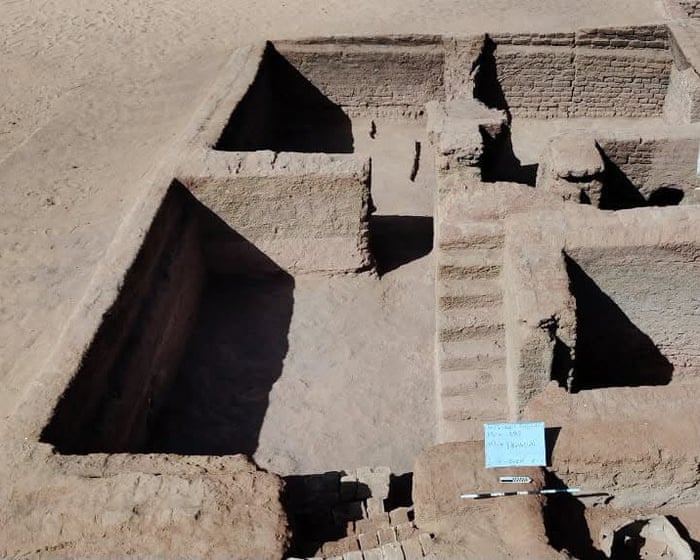
- The Byzantine city was found in Egypt’s western desert, in the Dakhla oasis.
- The city includes a basilica-style church, houses, streets, watchtowers, and defensive walls.
- Archaeologists found bread ovens, tools, coins with portraits of Byzantine emperors, and pottery with ancient writings.
- Some gold coins date to the reign of Roman emperor Constantius II (337-361 AD).
- Around 200 pottery fragments called ostraca had inscriptions about business and daily activities.
- At Marina el-Alamein near Alexandria, 18 tombs were uncovered, adding to a total of 48 found there.
- Tomb finds included rock-cut chambers, a granite sarcophagus, pottery, and gold pieces placed in the mouths of the dead as part of burial customs.
- Marina el-Alamein is believed to be the ancient Greco-Roman port city of Leukaspis from the second to fourth centuries.
Read the Full Article
This is a fact-based summary from The Actual News. Click below to read the complete story directly from the original source.