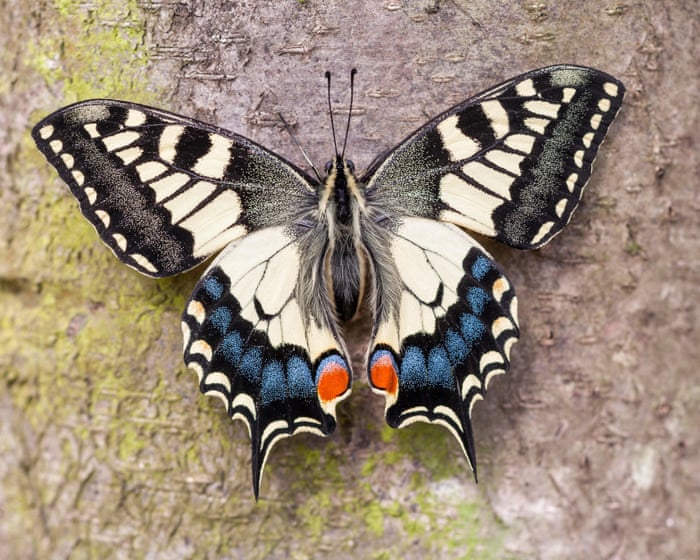
British swallowtail split from European cousins much earlier than thought, study finds
Summary
A new study shows that the British swallowtail butterfly, Papilio machaon britannicus, has been a separate subspecies for at least 200,000 years. This rare butterfly lives only in the Norfolk Broads wetlands and depends on a rare plant, milk parsley, which is threatened by rising sea levels caused by global heating.Key Facts
- The British swallowtail butterfly is smaller and darker than its continental relatives.
- Scientists previously thought the subspecies formed about 8,000 years ago but now believe it separated from European cousins 200,000 to 1.7 million years ago.
- The butterfly’s caterpillars only eat milk parsley, a rare wetland plant.
- Rising sea levels and salty water are harming milk parsley and the butterfly’s wetland habitat.
- The continental swallowtail butterfly is becoming more common in Britain due to warmer weather.
- There is concern that the continental butterfly might breed with the British subspecies, potentially mixing the two.
- Experts say the British swallowtail is unique to Britain and should be protected with new conservation efforts.
- Plans include moving the butterfly and its food plant to safer wetlands to help them survive.
Read the Full Article
This is a fact-based summary from The Actual News. Click below to read the complete story directly from the original source.