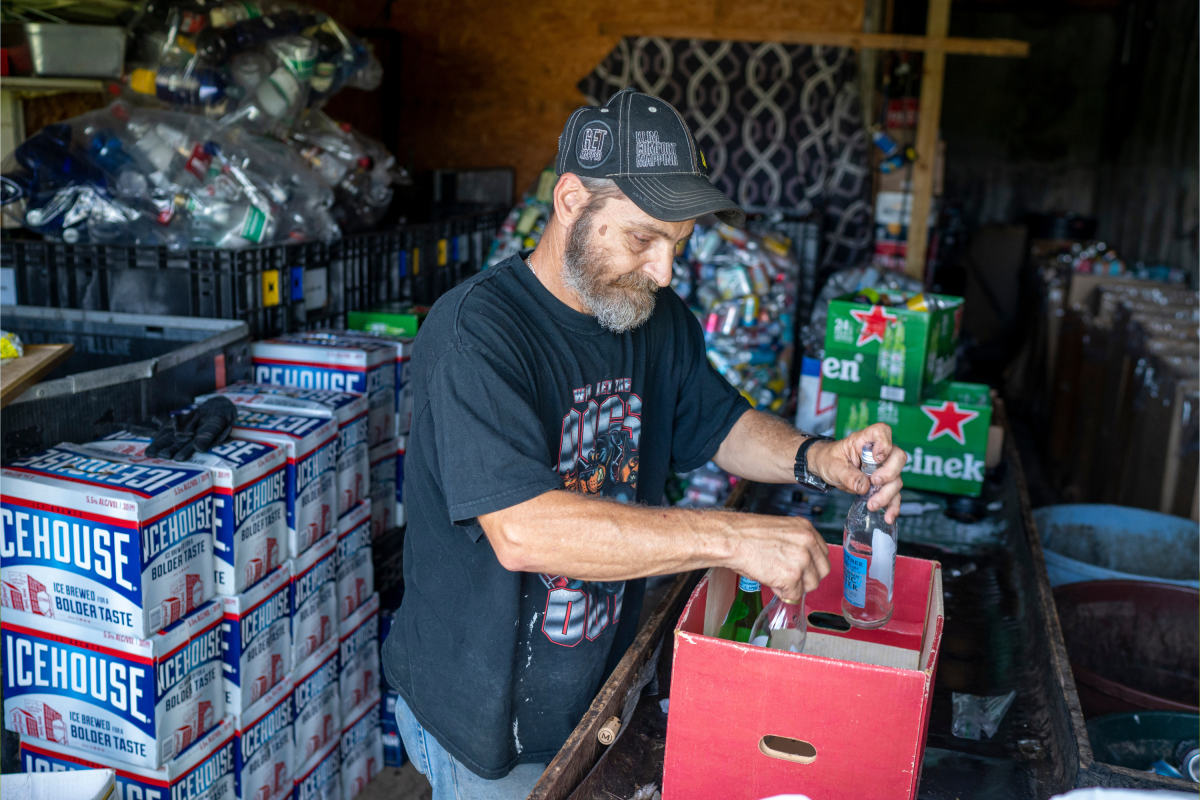
Vermont Joins Growing List of States Changing Bottle Bills—What’s Changed
Summary
Vermont has changed its bottle deposit law starting July 1 to increase the fees paid to centers that handle returned bottles and cans. This update aims to help those centers manage higher costs and to improve recycling rates by setting goals and creating better access for returns.Key Facts
- Vermont’s bottle deposit law began in 1973 and requires a deposit on certain beverage containers.
- Most containers have a 5-cent deposit; liquor containers have a 15-cent deposit.
- The new law raises handling fees from 3.5 to 4.5 cents for most containers, and from 4 to 5 cents for sorted (non-commingled) containers.
- The increase is meant to support redemption centers facing higher labor and operating costs.
- The law sets goals for returning 75% of containers by 2029 and 80% by 2032.
- It includes rules to improve convenience and reduce areas where people have few places to return containers (“redemption deserts”).
- Other states with bottle deposit laws include Michigan, Oregon, Connecticut, California, and others.
- Recently, several states have updated their programs to boost recycling and participation.
Read the Full Article
This is a fact-based summary from The Actual News. Click below to read the complete story directly from the original source.