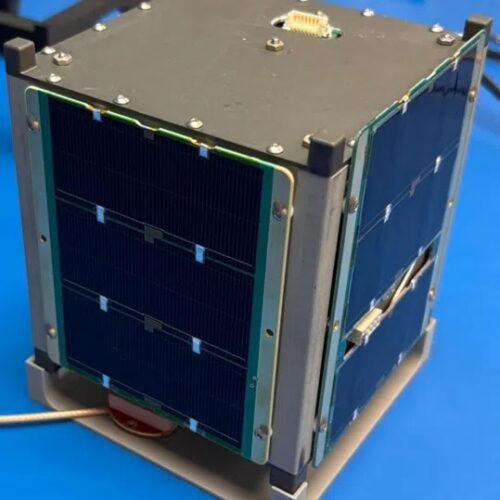
Miami-based City Labs achieves a first for commercial nuclear power in space
Summary
City Labs, a company in Miami, launched a small satellite called BOHR that uses a new type of nuclear battery powered by tritium, a radioactive form of hydrogen. This marks the first commercial nuclear-powered CubeSat satellite, designed to provide a small but steady source of electricity in space without relying on sunlight.Key Facts
- BOHR stands for Betavoltaic Orbital High-Reliability and is a "1U" CubeSat, about the size of a softball.
- The satellite uses a betavoltaic battery that converts energy from tritium decay into electricity.
- Tritium is a radioactive isotope with low-energy radiation, making it safer and less toxic than common nuclear fuels like plutonium or uranium.
- BOHR was launched on a SpaceX Falcon 9 rocket as part of a mission that carried 80 other payloads.
- The satellite’s main spacecraft functions still rely on solar power; the nuclear battery powers a demonstration payload.
- Betavoltaic batteries provide low-level, long-lasting energy, suitable for remote sensors and small devices.
- City Labs is working with NASA and the U.S. military on other nuclear power applications in space and on Earth.
- BOHR was the first commercial nuclear satellite to receive launch approval from the U.S. Federal Aviation Administration under new rules.
Read the Full Article
This is a fact-based summary from The Actual News. Click below to read the complete story directly from the original source.