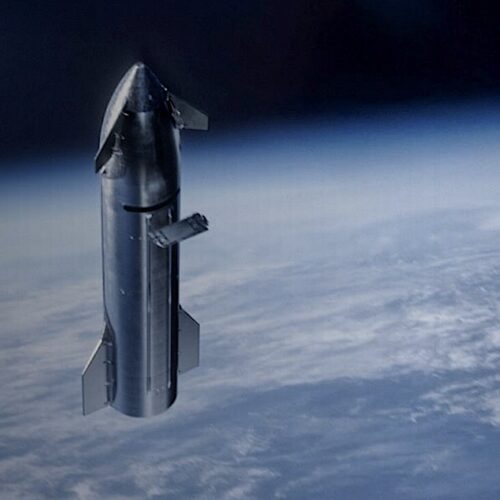
Payloads used to dictate the terms of launch. That's finally changing.
Summary
SpaceX’s Starship rocket can carry more than 100 metric tons into low-Earth orbit, which is much more than existing rockets. This large capacity could change how satellites are designed and launched, enabling new missions to the Moon, Mars, and beyond. Starship is still being tested, but NASA, the US military, and satellite makers are preparing to use its capabilities.Key Facts
- Starship can carry over 100 metric tons (220,000 pounds) to low-Earth orbit.
- Refueling in space could allow Starship to reach higher orbits, the Moon, or Mars.
- Starship is still experimental and has not fully proven its capabilities.
- NASA and the US military plan to use Starship for lunar missions and cargo transport to remote locations.
- Satellite makers are designing new payloads to take advantage of Starship’s high capacity.
- The traditional approach matched rocket size to satellite size; Starship’s size breaks this pattern.
- NASA’s Space Shuttle once challenged these launch norms but was replaced by more cost-effective rockets.
- Competitors like China are developing rockets similar to Starship.
Read the Full Article
This is a fact-based summary from The Actual News. Click below to read the complete story directly from the original source.