Species’ ingenious survival strategies no match for human destruction, red list reveals
Summary
The latest red list from the International Union for Conservation of Nature (IUCN) shows that many species with unique survival skills are at risk due to human activities like deep-sea mining and habitat destruction. However, some animals, like the Australian numbat, have improved in numbers thanks to conservation efforts.Key Facts
- Many molluscs living on deep-sea hydrothermal vents face extinction mainly because of deep-sea mining.
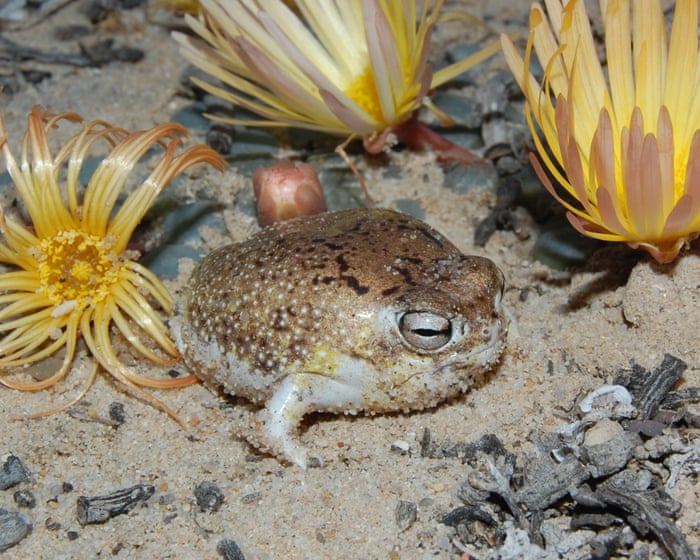
- The desert rain frog, which lives in southern Africa and uses little water, is vulnerable because of diamond mining and habitat loss.
- Conservation work has helped the numbat population increase from about 300 in the 1970s to 2,000-3,000 today.
- Over 200 mollusc species are found only on hydrothermal vents, making them very vulnerable to mining activities.
- Sediment from deep-sea mining harms marine animals by covering their habitats.
- Some species like the Provanna exquisita snail are safe because they live in protected marine areas where mining is banned.
- The IUCN supports a moratorium (temporary ban) on deep-sea mining to protect marine life.
- Emperor penguins are officially endangered due to sea ice loss caused by climate change.
Read the Full Article
This is a fact-based summary from The Actual News. Click below to read the complete story directly from the original source.