UK labs hit by cuts despite record science funding
Summary
The UK government plans to cut funding for some important research labs despite increasing overall science spending to a record £22.6 billion by 2029-30. These cuts will reduce budgets for projects like cancer treatment research, better battery design, particle physics, and astronomy, as the UK Research and Innovation Agency (UKRI) needs to save over £160 million due to rising costs.Key Facts
- UKRI must save more than £160 million over the next four years because research costs have increased.
- Total government spending on research and development will reach £22.6 billion annually by 2029-30.
- UKRI’s budget will rise from about £9 billion to nearly £10 billion in that period but still needs to cut some projects.
- National labs, which run big scientific machines, will face the biggest cuts, with some budgets dropping by over half.
- Funding for research into artificial intelligence will be £1.6 billion; quantum tech will get about £1 billion; and £750 million will go towards a national supercomputer.
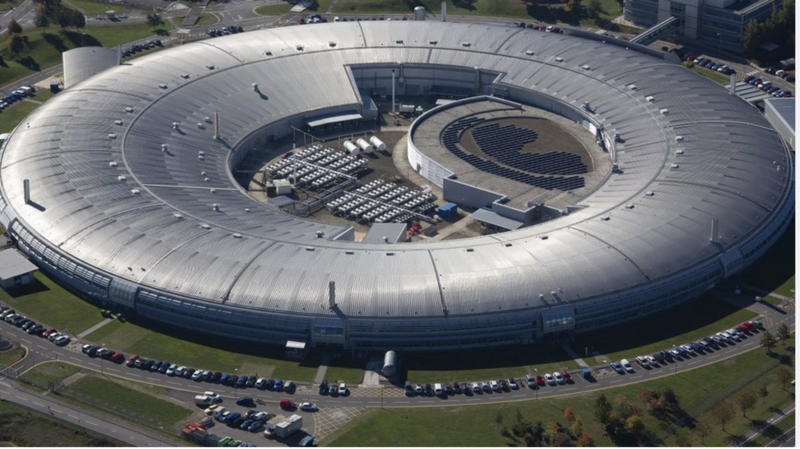
- Projects at Daresbury Laboratory and the Rutherford Appleton Laboratory, which support particle physics and data analysis, will see budget cuts.
- The Boulby Underground Laboratory’s budget will be cut by 40%, affecting dark matter research.
- The UK will remain a major contributor to international projects like CERN and will increase its subscription by 19% over four years.
Read the Full Article
This is a fact-based summary from The Actual News. Click below to read the complete story directly from the original source.