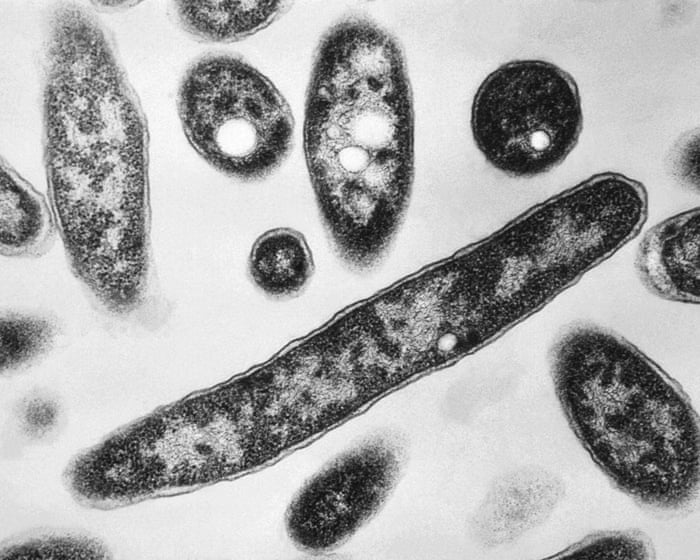
Legionnaires’ outbreak rocks New York as experts warn of rising climate threat
Summary
An outbreak of legionnaires’ disease, a serious type of pneumonia, has affected at least 28 people on Manhattan's Upper East Side. Health officials are testing cooling towers in buildings and linking the rise in cases to climate change making conditions warmer and more favorable for the bacteria.Key Facts
- At least 28 people have fallen ill with legionnaires’ disease in a New York City outbreak.
- The outbreak occurred on the Upper East Side, a neighborhood in Manhattan.
- Officials tested nearly 160 cooling towers, which are part of large buildings’ air systems, for the bacteria.
- Cooling towers in at least 19 buildings were ordered to be drained, cleaned, and disinfected.
- Legionnaires’ disease is caused by the Legionella bacterium, which grows in warm water and is inhaled through mist.
- Symptoms include cough, fever, headaches, muscle aches, and trouble breathing, and about 10% of diagnosed patients die.
- Climate change, by making New York's climate warmer, is increasing the risk of such outbreaks.
- The disease has historically affected poorer and Black communities more, though the current outbreak is in a wealthier area.
Read the Full Article
This is a fact-based summary from The Actual News. Click below to read the complete story directly from the original source.