A Total Blockade of Iran: The Least Bad Option After Midterms | Opinion
Summary
The article discusses recent tensions between the United States and Iran, focusing on failed negotiations and Iran’s strategic blockade of an important oil route. It explains how a previous U.S.-Iran agreement offered Iran economic benefits in exchange for limiting its nuclear program, but Iran is now demanding more and threatening to charge fees for ships passing through the Strait of Hormuz.Key Facts
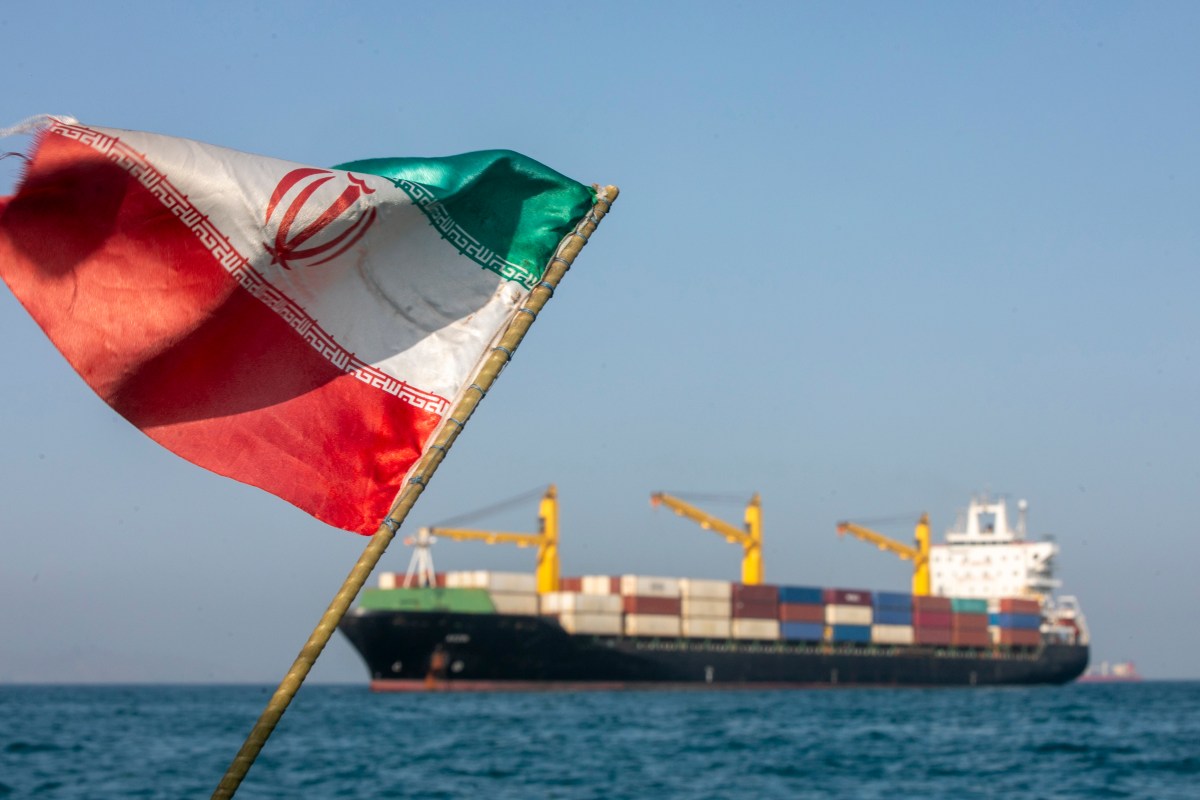
- Iran is blockading the Strait of Hormuz, a key passage for about 20% of the world's shipped oil.
- This blockade caused oil prices to rise and increased global concerns about inflation and supply chains.
- The United States and Israel previously launched strikes aiming to destroy Iran’s nuclear program and weaken its regime.
- President Trump called the memorandum of understanding with Iran effectively over but also hinted talks might continue.
- The memorandum gave Iran sanctions relief and access to frozen assets in exchange for promises not to develop nuclear weapons.
- Iran continues to support proxy militias, build ballistic missiles, and oppress its own people despite the deal.
- Iran now plans to impose fees on ships passing through the Strait of Hormuz, except for certain friendly countries like China.
- There is concern that finalizing the agreement would reward Iran’s aggressive behavior and weaken U.S. credibility worldwide.
Read the Full Article
This is a fact-based summary from The Actual News. Click below to read the complete story directly from the original source.