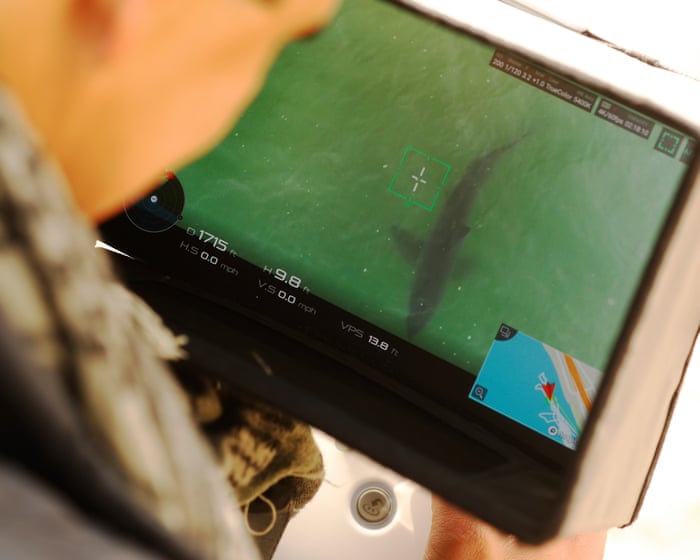
Drones are detecting more sharks at US beaches but do they make public safer?
Summary
Drones are being used more at U.S. and Australian beaches to detect sharks, but experts say these machines have limits and do not prove that shark dangers have increased. The rise in shark sightings may be because more drones are watching the water, not because there are actually more sharks near shore.Key Facts
- Investment in drones to spot sharks has grown in states like New York and in New South Wales, Australia.
- Shark attacks remain very rare, with worldwide unprovoked bites below the 10-year average in 2025.
- Increased sightings may be due to more drones and monitoring efforts, not an actual increase in shark numbers.
- Drones work well spotting sharks near the surface but cannot see sharks swimming just a few feet underwater.
- Scientists use shark tagging and underwater receivers to track shark locations and share information with authorities.
- Drones are considered a science tool, not an early warning system to immediately remove swimmers.
- New York has spent over $1 million on drones and lifeguard training for shark monitoring; New South Wales announced a $34 million shark monitoring program.
- Experts warn that fear from more shark sightings could lead to unnecessary beach closures or harm local economies.
Read the Full Article
This is a fact-based summary from The Actual News. Click below to read the complete story directly from the original source.