How Indian scientists are mapping the brain's last frontier
Summary
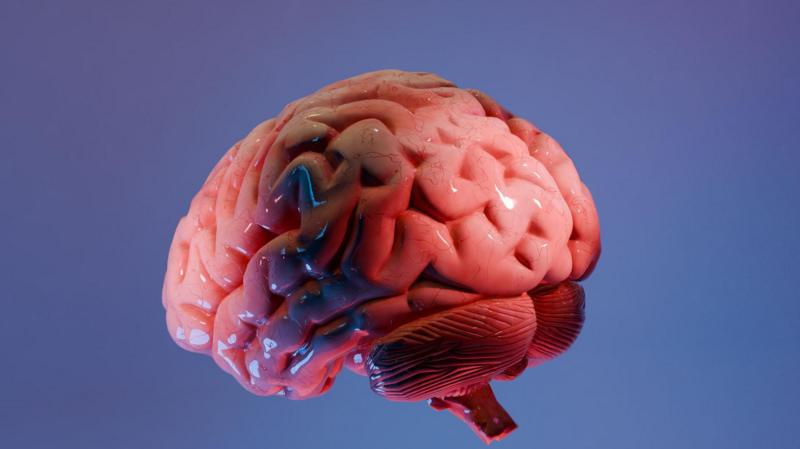
Scientists at the Indian Institute of Technology Madras have created the world’s most detailed 3D map of the human brainstem at the level of individual cells. This digital atlas links brain scans with microscopic cell biology, helping researchers understand this vital part of the brain better.Key Facts
- The brainstem is a small but important part of the brain that controls basic functions like breathing, heartbeat, and movement.
- Indian scientists made a 3D atlas called Anchor that uses over 500 tissue sections from brains at different ages.
- The atlas shows more than 200 clusters of brain cells and nerve pathways in the brainstem.
- It uses chemical markers to identify different cell types, making the map very detailed.
- This work connects large-scale brain imaging (MRI scans) with microscopic cell studies, which were previously separate fields.
- The atlas will help doctors and researchers better study diseases like Alzheimer’s, Parkinson’s, and stroke.
- The project combines engineering, neuroscience, and medicine to create a new tool for brain research.
- Experts say it is a significant achievement that puts India on the global map for neuroscience research.
Read the Full Article
This is a fact-based summary from The Actual News. Click below to read the complete story directly from the original source.