Can Lake Powell and Lake Mead Be Saved? The Ideas Reshaping the Debate
Summary
Lake Mead and Lake Powell, two major reservoirs on the Colorado River, are at historically low water levels due to over 20 years of drought and overuse. Policymakers are discussing various ideas to save these lakes, including water conservation, reducing agricultural water use, and possibly moving water from Lake Powell to Lake Mead.Key Facts
- Lake Mead is currently 27% full, and Lake Powell is 23% full, both well below average storage for this time of year.
- The Colorado River supplies water to millions of people and irrigates millions of acres of farmland in the western U.S.
- Arizona, California, and Nevada propose to save up to 1 million acre-feet of water by 2028, adding to previous conservation efforts totaling 3.2 million acre-feet.
- Agriculture uses about three-quarters of direct human water use in the Colorado River Basin, making it a key area for water-saving measures.
- Experts suggest switching to less water-intensive crops, improving irrigation, and temporarily leaving some farmland unplanted to reduce water use.
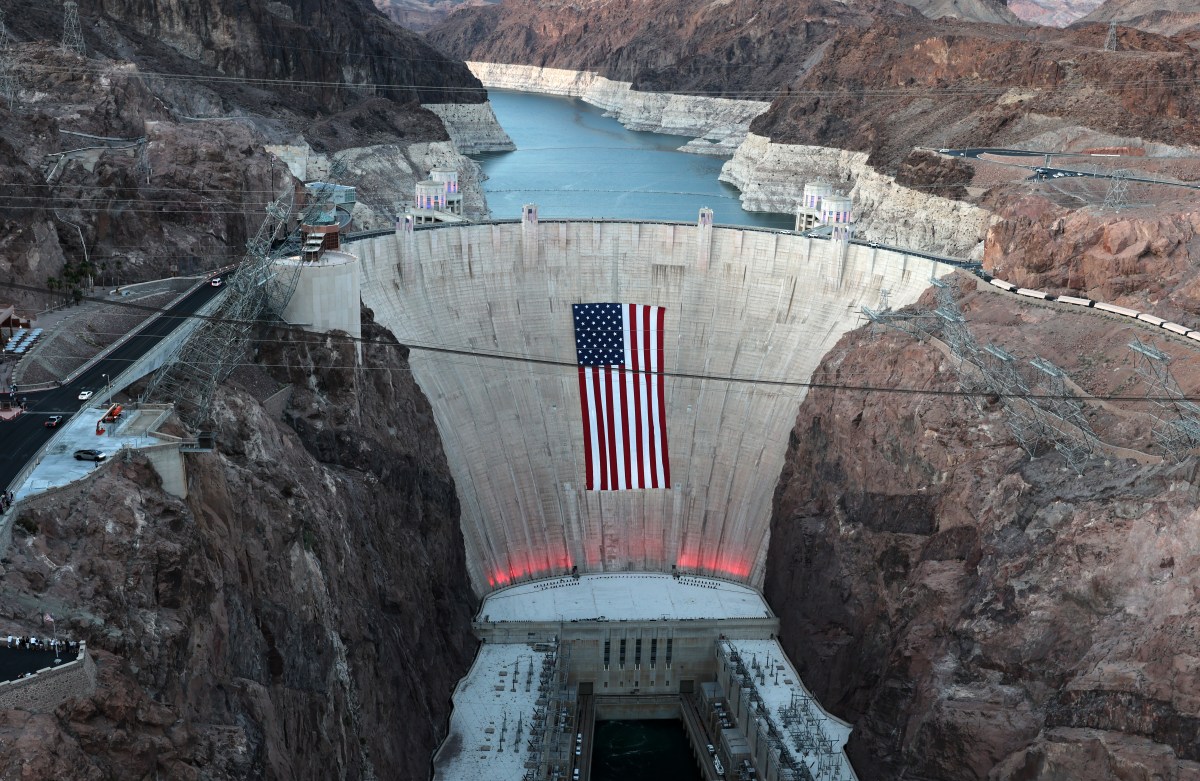
- Lower reservoir levels reduce the ability to generate hydropower at Glen Canyon Dam (Lake Powell) and Hoover Dam (Lake Mead).
- Some farmers have concerns that payments for water-saving programs may not cover losses from reduced crop production.
- One idea under discussion is draining Lake Powell to move its water to Lake Mead to better manage the water supply.
Read the Full Article
This is a fact-based summary from The Actual News. Click below to read the complete story directly from the original source.