Vet Explains How to Help a Traumatized Shelter Cat Learn to Trust You
Summary
This article explains how to help cats that have been through trauma, neglect, or abandonment learn to trust humans again. It shares advice from a veterinarian on how to care for rescue cats gently, create a safe space, and be patient as they adjust to their new home.Key Facts
- Cats who have suffered neglect or abandonment may not show affection right away because they need time to trust.
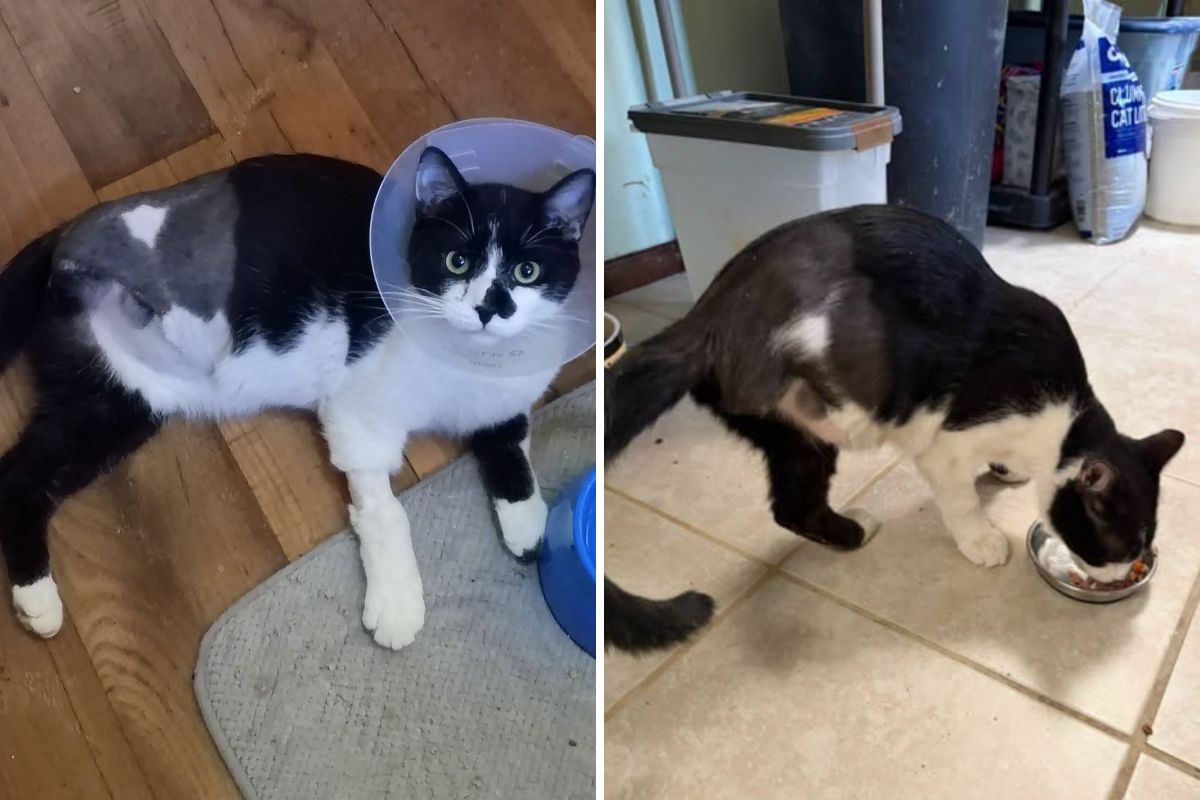
- Mr. Wobbles, a cat with a deformed leg that was amputated, is looking for a patient new home.
- Vets advise keeping rescued cats in a small, quiet room with food, water, a litter box, and safe hiding spots when they first arrive.
- Scared cats might hide quietly or show subtle signs of trust like eating nearby, slow blinking, or grooming.
- Moving too fast or forcing contact can frighten rescue cats more. Owners should wait for the cat to approach and reward positive behavior with treats and toys.
- Tripod cats (cats with three legs) like Mr. Wobbles and another kitten named Winston can adapt well but need homes that are easy to navigate.
- Safety improvements for three-legged cats include non-slip floors and accessible food, water, and litter boxes.
Read the Full Article
This is a fact-based summary from The Actual News. Click below to read the complete story directly from the original source.