The Guardian view on Brazil’s sovereignty: Trump turns autonomy into a trade offence | Editorial
Summary
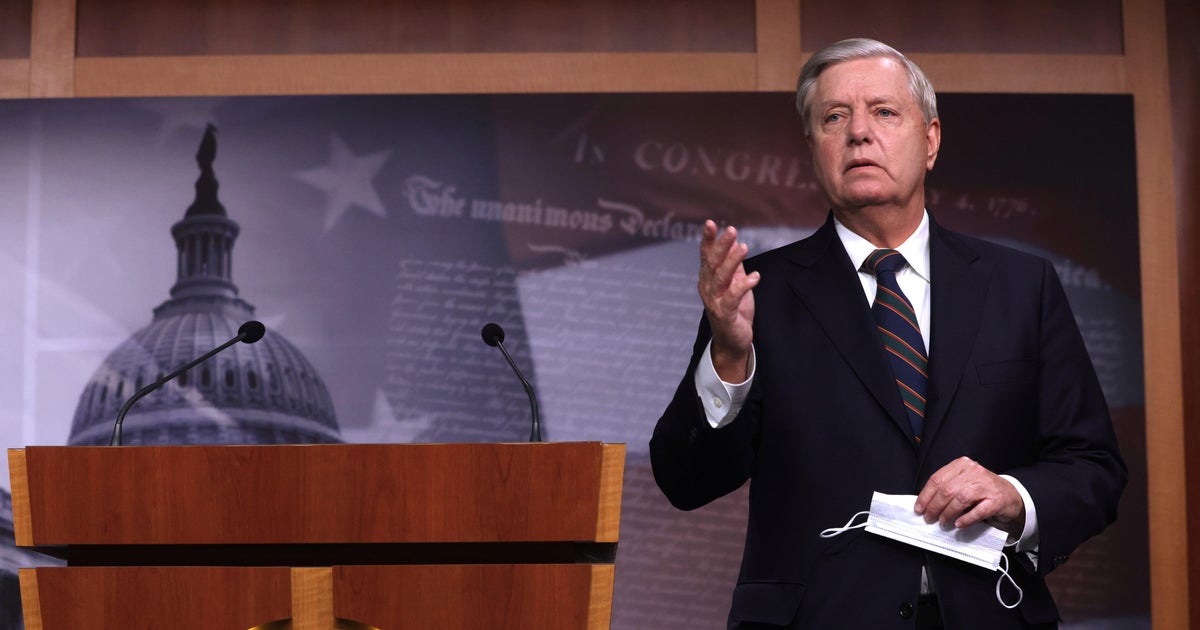
Brazil’s Supreme Court ruled that social media companies can be held responsible for some harmful posts, leading to removal of hate speech and false political content. In response, President Donald Trump proposed a 25% tariff on Brazilian imports, criticizing Brazil’s actions as unfair to US tech companies. Meanwhile, Brazil has developed a public payment system called Pix, aiming to reduce dependence on foreign-controlled financial networks.Key Facts
- Brazil’s Supreme Court decided social media companies like X (Elon Musk) and Meta (Mark Zuckerberg) must remove hate speech and anti-democratic content.
- President Donald Trump wants to tax 25% more on Brazilian goods because of this decision affecting US tech firms.
- Flávio Bolsonaro, son of jailed former president Jair Bolsonaro, asked the US to delay tariffs until Brazil’s October elections.
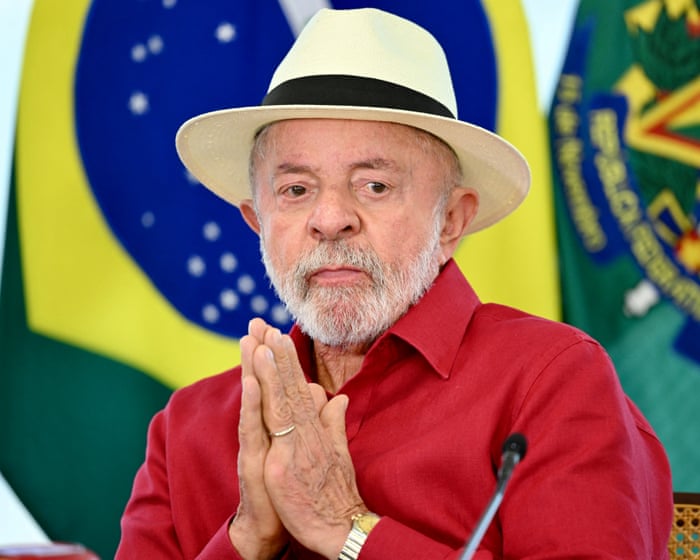
- Luiz Inácio Lula da Silva, current Brazilian president, promotes national control over digital platforms and financial systems.
- Brazil's Pix system allows instant money transfers, avoiding networks controlled by US companies like Visa and Mastercard.
- The Pix system had $6.7 trillion in transaction volume in 2025 and is designed to protect Brazil from external financial influence or sanctions.
- Some experts see Brazil’s digital infrastructure as a way to support national development in technology while avoiding US surveillance.
- The conflict highlights a tension between Brazil’s desire for sovereignty and the US framing those actions as unfair trade practices.
Read the Full Article
This is a fact-based summary from The Actual News. Click below to read the complete story directly from the original source.