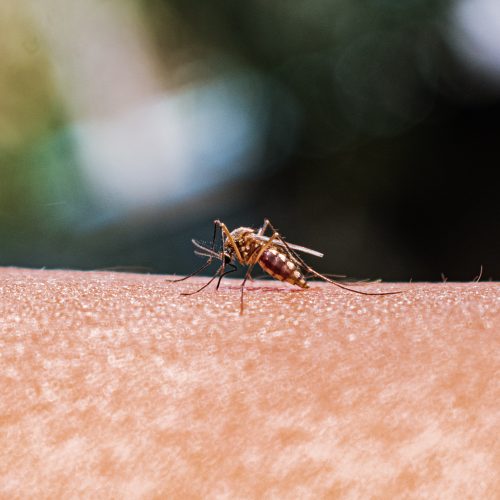
As mosquito ranges expand, better monitoring is key to preventing disease
Summary
Mosquito species are moving into new, cooler areas like New England due to climate change, bringing diseases such as West Nile virus, dengue, and Zika. States like Connecticut have programs that track mosquitoes to spot disease risks early, but many places lack coordinated monitoring.Key Facts
- Warmer and wetter weather from climate change is expanding mosquito habitats into regions like New England.
- Connecticut has found 54 types of mosquitoes, including invasive species like the Asian tiger mosquito, which can carry dengue and Zika viruses.
- Monitoring programs test mosquitoes to detect disease hotspots before people get sick.
- There is no national U.S. database for mosquito monitoring; over 1,000 local control agencies operate independently.
- Connecticut recently found mosquitoes positive for West Nile virus, a leading mosquito-borne disease in the Northeast.
- Eastern equine encephalitis, a rare but deadly disease, has become more common in New England.
- Higher temperatures increase mosquito breeding cycles and lengthen the season when diseases can spread.
- Climate change also affects animals like birds and deer that carry viruses, making disease spread more complex.
Read the Full Article
This is a fact-based summary from The Actual News. Click below to read the complete story directly from the original source.