Pitch perfect: Developing natural grass for the World Cup
Summary
Experts from the University of Tennessee have helped develop natural grass fields for the World Cup, ensuring high-quality playing surfaces for matches held in different climates. They tested different types of grass and growing methods, including special lights for domed stadiums, to make sure the grass stays strong and plays well throughout the tournament.Key Facts
- The World Cup has 104 matches in 16 stadiums across three countries.
- FIFA requires all World Cup matches to use natural grass fields.
- Different grass species are used depending on the stadium’s climate and elevation.
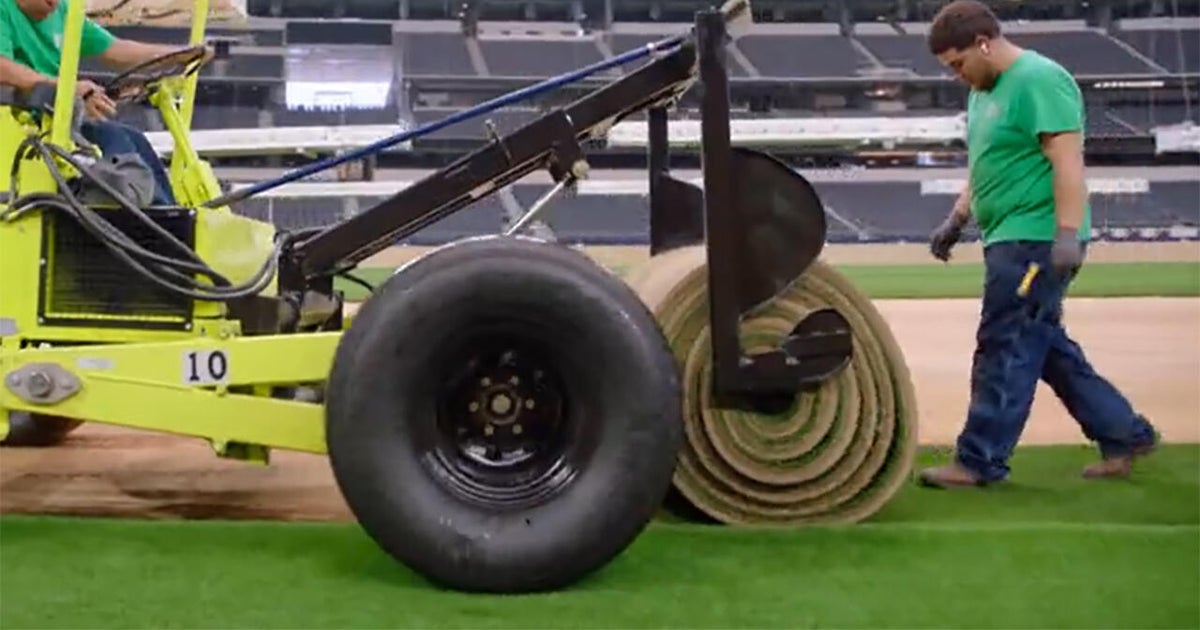
- Rolls of specially grown sod are shipped across the country to cover stadiums, sometimes laid on top of artificial turf.
- An indoor growing facility in Tennessee tests how grass grows under special lights needed for domed stadiums.
- Dr. John Sorochan and his team test the grass’s strength and how soccer balls roll and bounce on different types of grass.
- A robot mimics the force of a soccer player’s cleat to check the durability of the grass.
- The sod farming industry is a large business, valued at about $2.1 to $2.2 billion.
Read the Full Article
This is a fact-based summary from The Actual News. Click below to read the complete story directly from the original source.