Don't Let the World Cup's Legacy Bypass American Kids | Opinion
Summary
The article discusses the impact of the FIFA World Cup held in the United States and raises concerns about whether the event benefits children in underserved communities. It highlights efforts by organizations like the U.S. Soccer Foundation to build soccer fields in low-income areas and calls for continued investment to make soccer accessible to all American kids.Key Facts
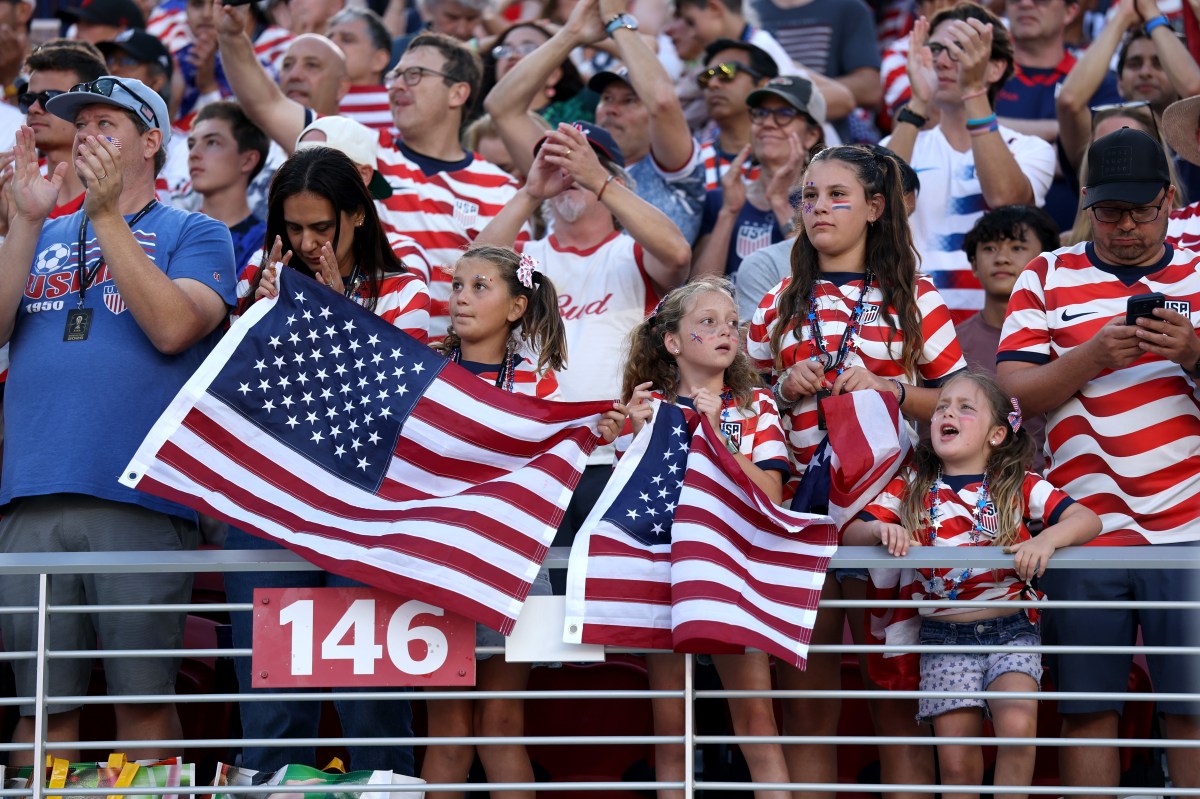
- The FIFA World Cup recently took place in the United States, attracting millions of visitors.
- Large sporting events often benefit already thriving neighborhoods, leaving underserved communities behind.
- Underserved areas are much more likely to lack recreational spaces, making sports less accessible to children there.
- The U.S. Soccer Foundation was created after the 1994 World Cup to grow soccer in communities that need it most.
- Youth soccer registrations in the U.S. increased from about 1 million in 1994 to over 3 million by 2006.
- Soccer programs teach kids teamwork, leadership, discipline, and improve their physical and emotional health.
- Over 850 mini soccer fields have been built nationwide by the U.S. Soccer Foundation, with a goal of 1,000 by 2026.
- Some local and state initiatives, like New York’s $6 million NY Kicks and Houston’s FREEKICKS program, are supporting soccer access in poorer neighborhoods.
Read the Full Article
This is a fact-based summary from The Actual News. Click below to read the complete story directly from the original source.