Expansion of U.S. strikes on Iran leads to more retaliation across the Gulf
Summary
The United States carried out airstrikes against Iran following the death of an American soldier. In response, Iran attacked U.S. allies Kuwait and Bahrain, both important for U.S. military presence in the Gulf. Despite rising tensions, Iran’s interior minister planned a visit to Pakistan, a mediator in the conflict.Key Facts
- A U.S. service member died in Iraq during the destruction of an Iranian drone.
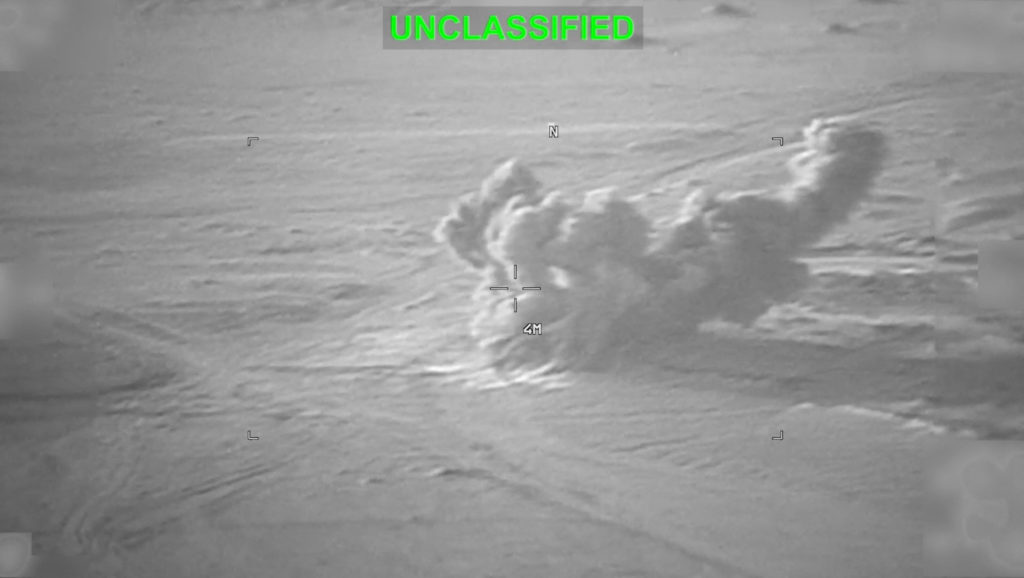
- The U.S. launched nine consecutive nights of airstrikes targeting Iranian military sites.
- Iran responded with attacks on Kuwait and Bahrain, including missile and drone strikes.
- The Strait of Hormuz, a critical oil shipping route, has seen disruptions and ship attacks.
- Oil prices rose as the conflict increased, with Brent crude above $86 a barrel and gasoline costs rising in the U.S.
- Iran’s Revolutionary Guard operates underground missile bases in several Iranian provinces.
- Yemen’s Houthi rebels, supported by Iran, imposed a maritime blockade on Saudi Arabia’s Red Sea ports.
- Iran’s interior minister planned a two-day visit to Pakistan for diplomatic discussions amid the conflict.
Read the Full Article
This is a fact-based summary from The Actual News. Click below to read the complete story directly from the original source.