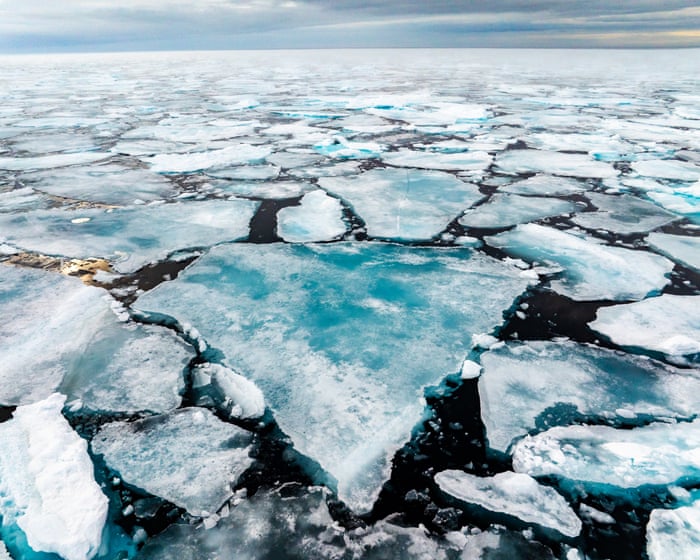
Slowdown in Arctic ice melt ends after largest winter decline on record
Summary
A new study shows that the previous slowdown in Arctic sea ice loss has ended, with the largest year-to-year winter drop recorded between 2024 and 2025. This means Arctic sea ice is melting faster again, which could affect weather patterns far beyond the Arctic.Key Facts
- Arctic sea ice melted more slowly between 2005 and 2024, showing little overall decline during that time.
- Natural changes in ocean currents likely caused this temporary slowdown despite rising global temperatures.
- New research finds the slowdown was temporary, and melting is now happening faster again.
- Between 2024 and 2025, winter Arctic sea ice dropped by 5.8%, the highest annual winter decline recorded.
- Arctic sea ice in September (its smallest point each year) has decreased by half since 1979, when satellites began measuring.
- Losing winter sea ice reduces insulation between the ocean and cold air, causing more heat and moisture to enter the atmosphere.
- These changes can alter weather patterns and storms far from the Arctic region.
- Scientists warn this decline shows that Arctic ice loss continues because of global warming and is unlikely to stop soon.
Read the Full Article
This is a fact-based summary from The Actual News. Click below to read the complete story directly from the original source.