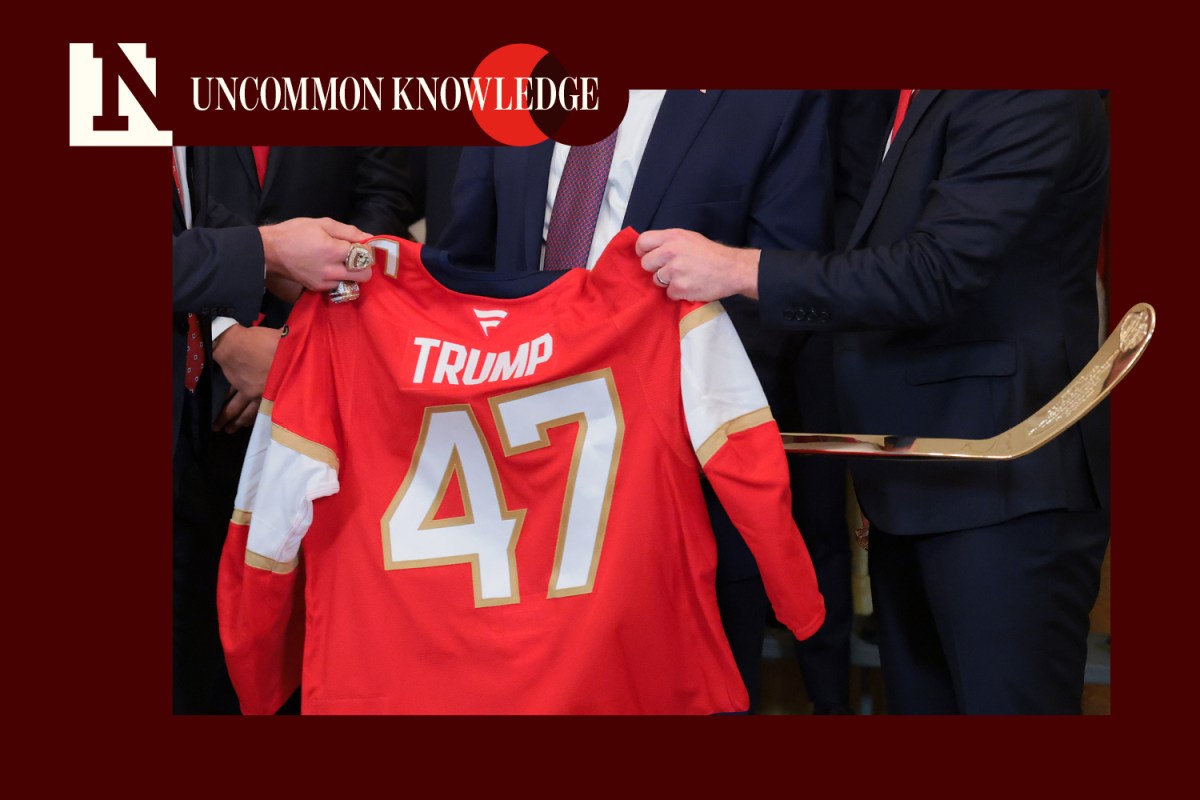
How Trump Turned a Hockey Stick into a Boomerang
Summary
The U.S. government has announced a 50% tariff on certain Canadian goods, including hockey sticks made in Canada, as part of a dispute over trade fairness. However, most hockey sticks used by professionals and consumers are made with carbon-composite materials mainly produced outside Canada, so the tariff mostly affects traditional Canadian wooden stick makers.Key Facts
- On July 20, the White House imposed 50% tariffs on various Canadian products, including hockey sticks, effective in 30 days.
- The tariffs were imposed under a rarely used law (Section 338 of the Tariff Act of 1930) allowing retaliation against countries that discriminate against U.S. businesses.
- The U.S. government argues Canada unfairly restricts American cars, dairy, and alcohol, prompting these tariffs.
- Most modern hockey sticks used by pros and consumers are made with carbon-composite materials from China, not traditional Canadian wood.
- Only a small Canadian factory named Roustan Hockey still makes about 400,000 traditional wooden hockey sticks annually.
- The tariff targets products made in Canada, so hockey sticks made or heavily modified elsewhere (like China) are not affected.
- Major hockey stick brands like Bauer and CCM produce most NHL sticks but rely on international supply chains, avoiding the new tariff.
- Some Canadian officials have promised to respond with equivalent tariffs on U.S. goods.
Read the Full Article
This is a fact-based summary from The Actual News. Click below to read the complete story directly from the original source.