ASEAN diplomats voice ‘serious concern’ over Iran war and energy crisis
Summary
Southeast Asian nations voiced strong concern about the effects of blockades in key Middle Eastern sea routes, which disrupt trade and energy supplies. At the ASEAN summit in the Philippines, regional leaders and global partners discussed ways to cope with the impact of the US-Israel war on Iran, including energy sharing plans and regional security issues.Key Facts
- ASEAN foreign ministers expressed worry about blockades affecting major maritime trade routes in the Middle East.
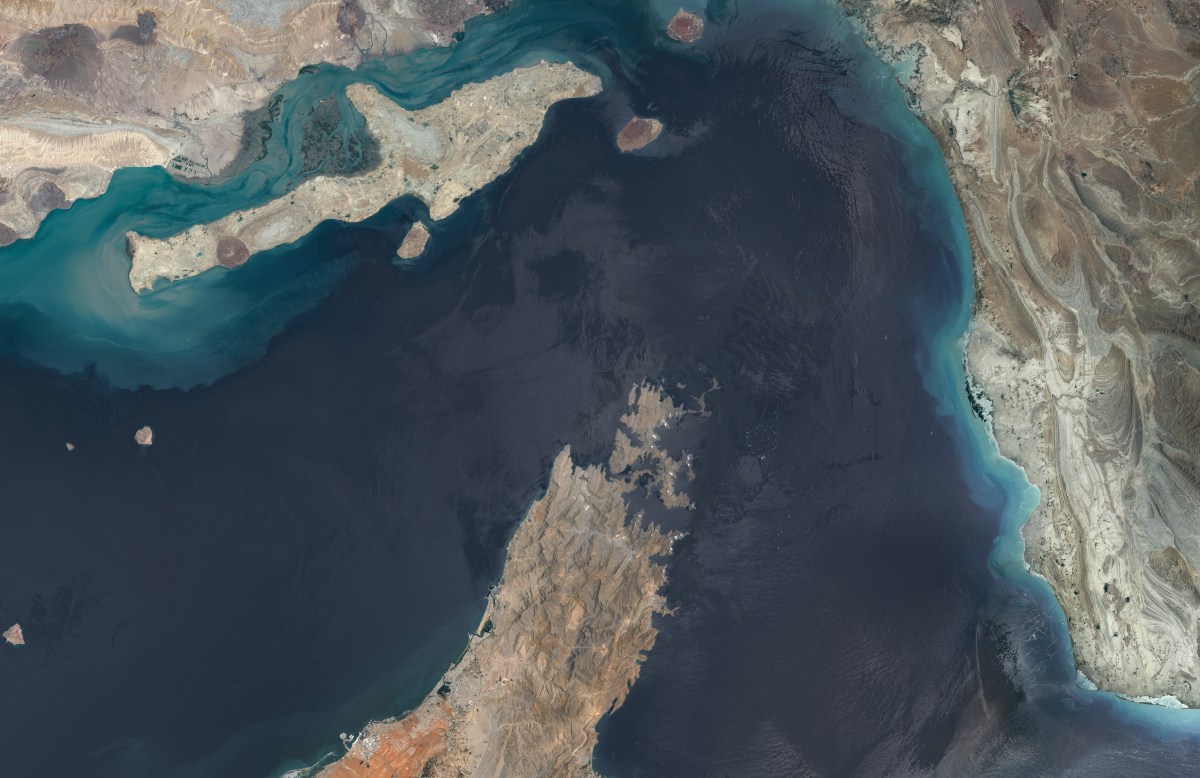
- The US-Israel war on Iran and the closure of the Strait of Hormuz have disrupted global trade and energy supplies.
- Southeast Asia relies heavily on oil imports from Gulf countries, making the region vulnerable to supply limits.
- ASEAN nations are considering an oil-sharing plan to reduce the war’s impact on energy availability.
- Yemen’s Iran-aligned Houthis announced a naval blockade on Saudi Arabia, risking further energy supply problems.
- The ASEAN summit includes diplomats from the US, Russia, and China, highlighting its international importance.
- The war has caused higher oil and gas prices in Southeast Asia, harming manufacturing and exports.
- Other summit topics include Myanmar’s ongoing civil war and territorial tensions in the South China Sea between ASEAN countries and China.
Read the Full Article
This is a fact-based summary from The Actual News. Click below to read the complete story directly from the original source.