Why Iran is risking so much over the Strait of Hormuz
Summary
Iran is facing tough choices after recent conflicts with the US over the Strait of Hormuz, a critical waterway for global oil shipping. The country can either accept US terms to reopen the strait, escalate military actions, or maintain a risky balance that applies economic pressure without full-scale war.Key Facts
- The Strait of Hormuz is a key passage for global oil transport and has been a conflict point between Iran and the US.
- Iran could agree to US demands like stopping attacks on ships, limiting uranium enrichment, and allowing nuclear inspections, in exchange for ending a US naval blockade and easing sanctions.
- Accepting these terms would be politically difficult for Iran, as it would mean giving up influence over the strait and its nuclear program.
- Iran might escalate attacks on US bases and Gulf states to raise energy prices and pressure the US to negotiate.
- Escalation risks broader war and involvement of other regional countries.
- Iran could also keep current tensions low enough to maintain leverage but avoid full war, as survival is viewed as a form of victory.
- Increased attacks on the strait might drive other countries to find alternative shipping routes, reducing Iran’s strategic power.
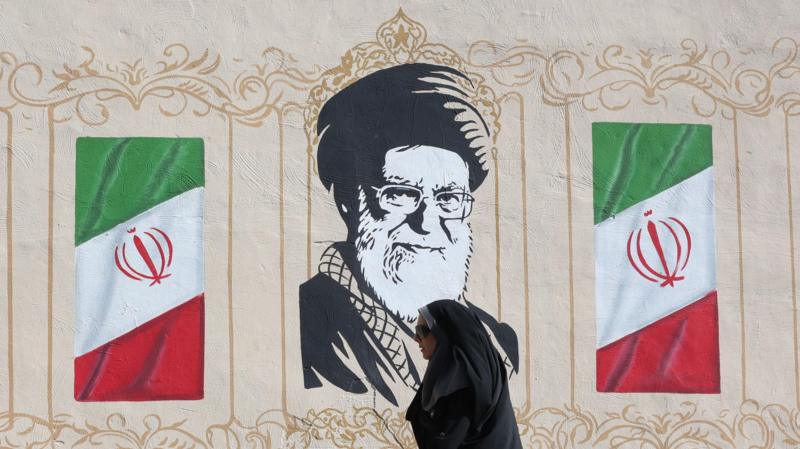
- Iran’s leadership situation is uncertain after the death of Supreme Leader Ali Khamenei, now succeeded by his son Mojtaba, which affects decision-making.
Read the Full Article
This is a fact-based summary from The Actual News. Click below to read the complete story directly from the original source.