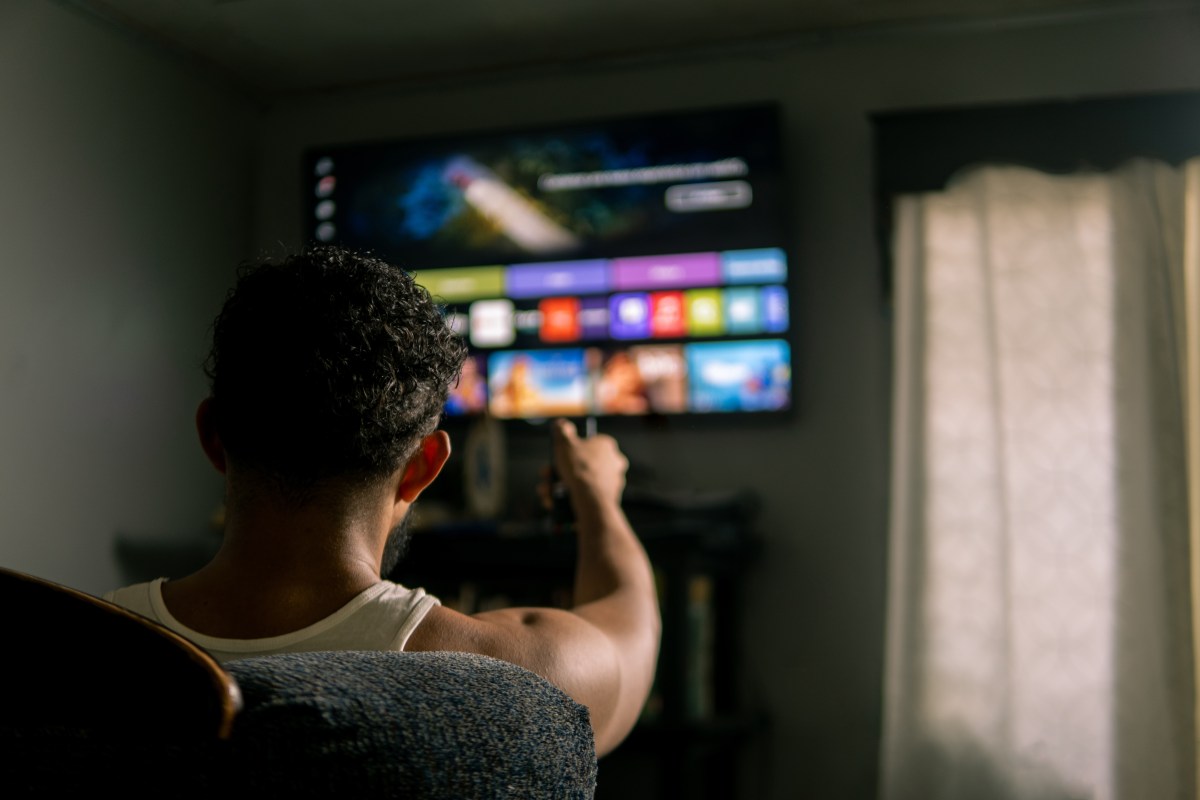
Heavy TV Watching Linked to Brain Changes Tied to Dementia
Summary
A study of about 1,700 middle-aged adults found that people who watch a lot of TV may have changes in their brains linked to memory problems and dementia. The research showed that sitting time spent watching TV has different effects on the brain compared to sitting time spent working.Key Facts
- The study analyzed data from the ARIC Study, involving adults around 53 years old when first surveyed between 1987 and 1989.
- Participants who watched TV very often had smaller brain regions related to memory and areas vulnerable to Alzheimer’s disease.
- These frequent TV watchers also had more white matter damage, which is linked to stroke, cognitive decline, and dementia.
- Smaller frontal and occipital lobes were observed in heavy TV viewers; these brain parts help with planning and visual processing.
- Differences remained even after accounting for physical activity, diabetes, body weight, smoking, and alcohol use.
- Sitting for work, which often involves mental tasks, was associated with healthier brain structure compared to TV watching.
- The study highlighted that not all sitting time affects brain health the same way; mental engagement during sitting matters.
- Researchers suggested that watching TV is mostly passive and requires less mental effort than working or reading.
Read the Full Article
This is a fact-based summary from The Actual News. Click below to read the complete story directly from the original source.