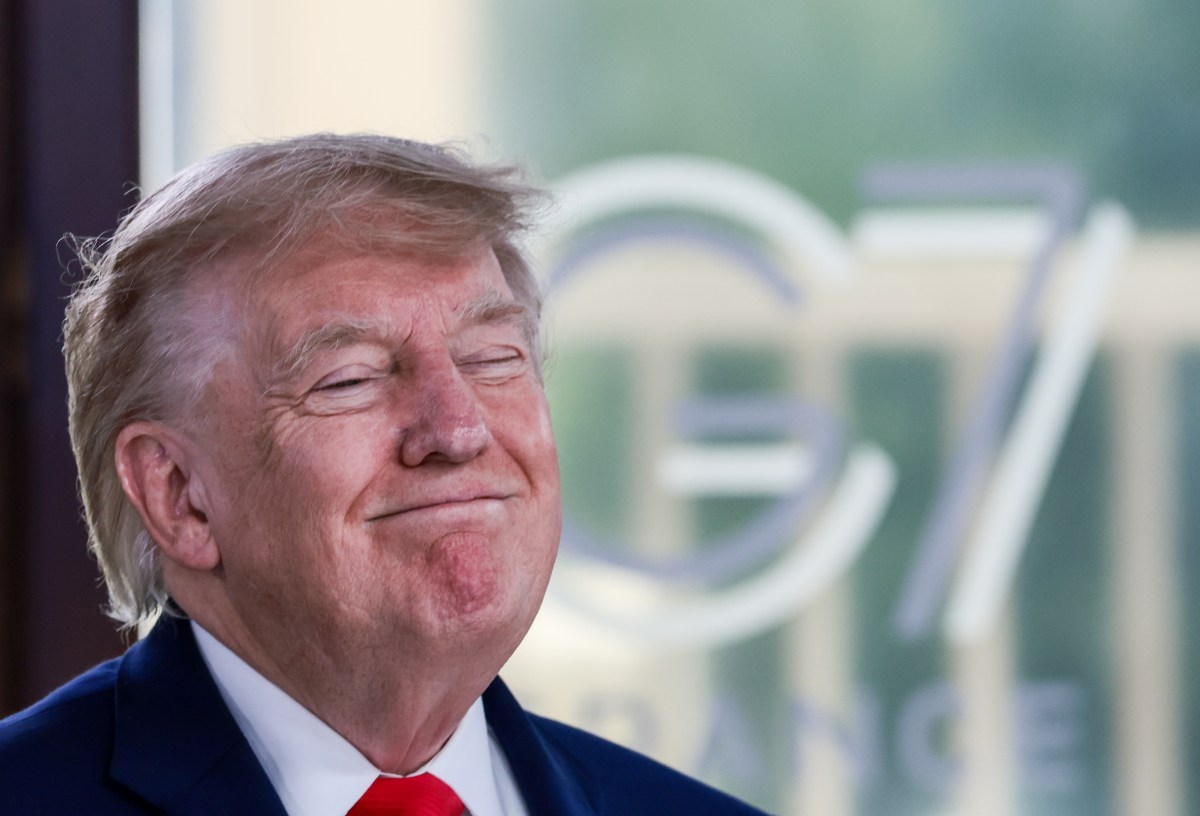
Trump administration consults unused 1930s law for tariff playbook
Summary
The Trump administration is using an old 1930s law, Section 338 of the Smoot-Hawley Tariff Act, to threaten high tariffs on about $20 billion of Canadian goods starting in August. This move aims to respond to Canadian policies that the U.S. sees as unfair to American autos, dairy, and alcohol products. The new tariffs may face legal challenges but show the administration’s continued use of tariffs as a negotiation tool amid global economic pressures.Key Facts
- The administration invoked Section 338 of the 1930 Smoot-Hawley Tariff Act, a law never used before for tariffs.
- The proposed tariffs could be as high as 50% on certain Canadian imports.
- These tariffs cover roughly $20 billion worth of goods, excluding some major Canadian exports like autos and pharmaceuticals.
- Previous tariff authorities used by the administration have been limited or struck down by courts.
- The administration is shifting to older, more traditional trade laws for tariff powers as newer ones expire or face legal hurdles.
- The tariffs respond to what the U.S. sees as Canadian discrimination against U.S. industries.
- Legal experts say the new tariffs could be challenged because of procedure or conflicting trade laws.
- President Trump’s team seeks to keep economic fallout low by excluding some important Canadian products and focusing on negotiation leverage.
Read the Full Article
This is a fact-based summary from The Actual News. Click below to read the complete story directly from the original source.