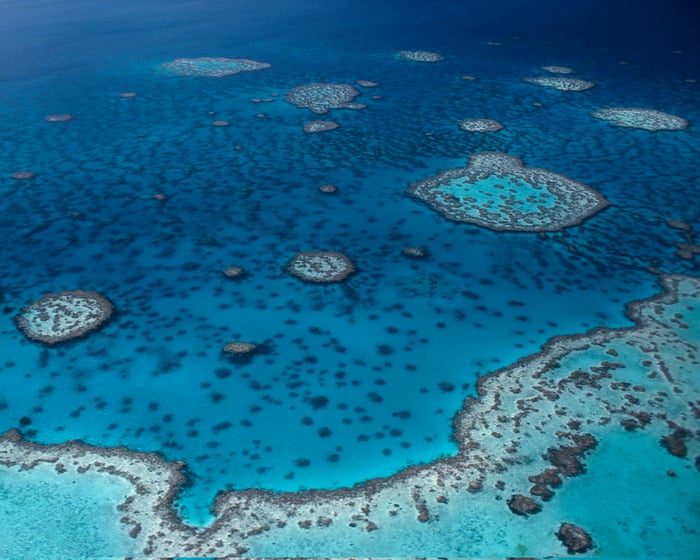
Great Barrier Reef microbiome mapped as researchers discover 500 bacterial species previously unknown to science
Summary
Scientists have mapped the community of microbes in the Great Barrier Reef, identifying over 360,000 different viruses and more than 500 new bacterial species. This research helps understand the reef’s ecosystem and could be used to monitor its health and changes caused by human activity or climate effects.Key Facts
- Researchers analyzed DNA from seawater samples taken from 48 reefs in the Great Barrier Reef.
- They found 808,585 viral genomes, estimated to belong to about 362,802 different viruses.
- The study identified 5,283 bacterial and archaeal genomes representing 876 species, with 584 species new to science.
- Microbes in the reef help support the marine food chain by producing oxygen and serving as food for small animals like krill.
- The research used metagenomics, a method that sequences DNA from the environment to study many microbes at once.
- Long-read sequencing technology was used, allowing scientists to read long pieces of DNA without breaking them apart.
- Changes in microbial communities can show early signs of reef health problems caused by pollution, heat stress, or overfishing.
- The study was led by scientists from the University of Queensland and the Australian Institute of Marine Science and published in the journal Nature.
Read the Full Article
This is a fact-based summary from The Actual News. Click below to read the complete story directly from the original source.