Trump's Nuclear Doctrine: Anything Is Possible For A Price
Summary
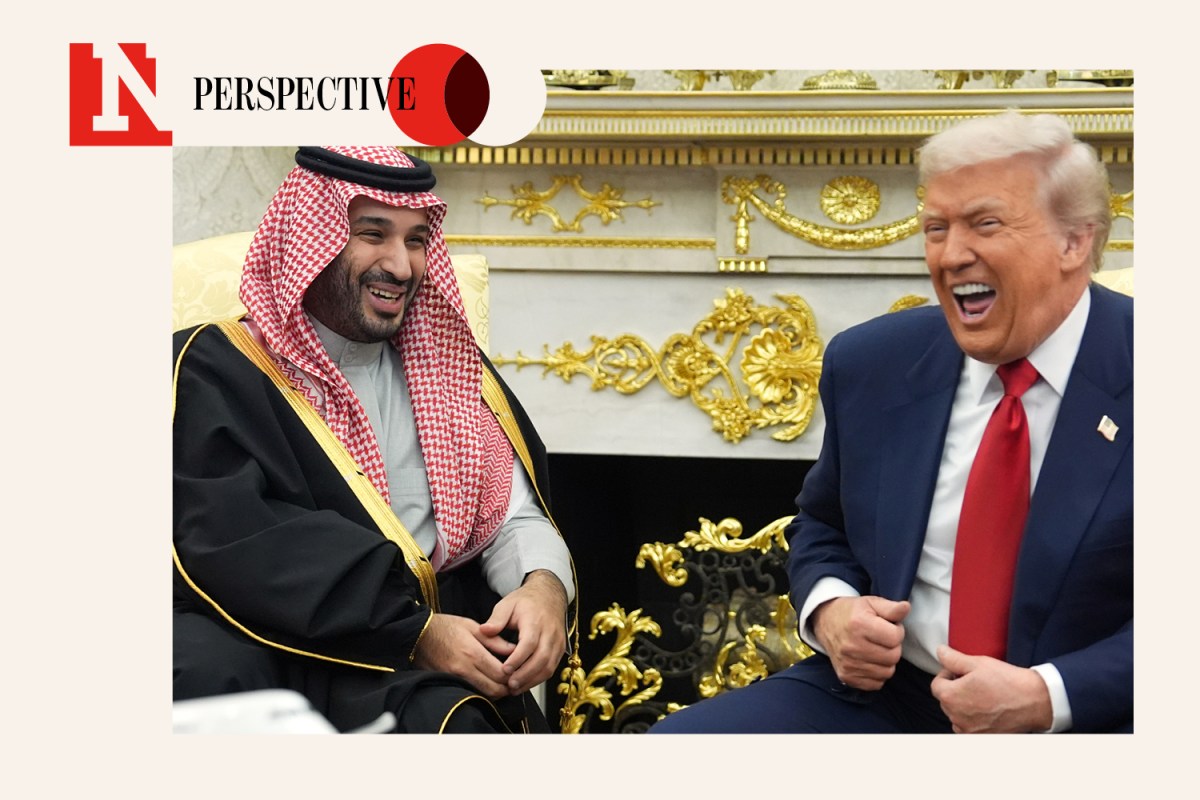
The United States and Saudi Arabia made a new nuclear agreement that may allow Saudi Arabia to develop uranium enrichment for civilian nuclear purposes with less strict international inspections. This deal signals a change in how nuclear rules are applied, with powerful countries able to make special agreements that could weaken global efforts to prevent the spread of nuclear weapons.Key Facts
- The U.S.-Saudi nuclear deal might let Saudi Arabia build uranium enrichment facilities and reprocess spent nuclear fuel for civilian use.
- Saudi Arabia may not be required to follow the "additional protocol," a stricter inspection agreement by the UN nuclear watchdog (IAEA).
- President Donald Trump posted that Saudi Arabia will not enrich nuclear material, but reports suggest otherwise.
- The deal contrasts with earlier U.S. agreements, such as the 2009 UAE deal, which prevented enrichment and required strict inspections.
- Allowing such capabilities could increase the risk of nuclear weapons development in the future.
- The U.S. is currently opposing Iran’s nuclear program while making exceptions for Saudi Arabia, an important political ally.
- Other countries like India have had similar special nuclear deals with the U.S., retaining enrichment abilities under specific terms.
- Experts warn that once a country gains nuclear fuel processing technology, it’s hard to reverse, and political relationships may change over time.
Read the Full Article
This is a fact-based summary from The Actual News. Click below to read the complete story directly from the original source.