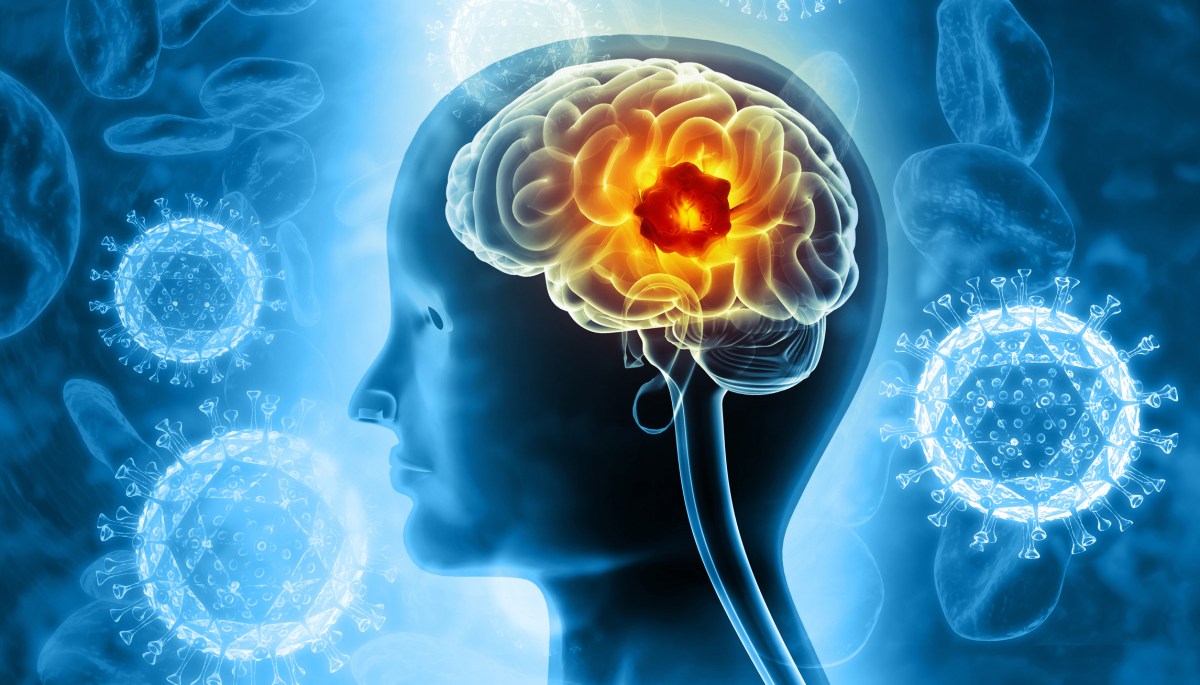
The Deadliest Brain Cancer Has No Cure—a New Approach May Change That
Summary
Scientists at the University of Virginia have developed a new experimental treatment for glioblastoma, the deadliest type of brain cancer. This treatment uses tiny genetic molecules called microRNAs combined with ultrasound and nanoparticles to help drugs pass through the brain's protective barrier and target multiple cancer genes at once.Key Facts
- Glioblastoma is the most common and aggressive malignant brain tumor in adults.
- The new treatment uses microRNAs to target several cancer-driving genes simultaneously.
- The brain has a protective shield called the blood-brain barrier that usually blocks treatments from reaching tumors.
- Researchers used focused ultrasound and microbubbles to temporarily open this barrier, allowing treatment to reach the tumor.
- In animal tests, the treatment slowed tumor growth and doubled survival time compared to untreated animals.
- This approach worked better on tumors from patient-derived glioblastoma stem cells, which are usually harder to treat.
- The treatment aims to target cancer molecules that no current drugs can attack.
- Scientists hope to start clinical trials soon to test this treatment in people with brain tumors.
Read the Full Article
This is a fact-based summary from The Actual News. Click below to read the complete story directly from the original source.