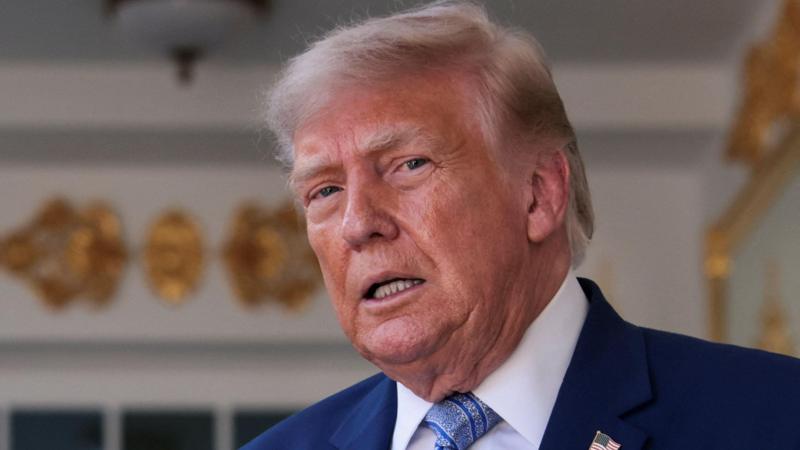
If Trump really cares about forced labor, he should look at the US – rather than slap more tariffs on the world
Summary
The Trump administration imposed new tariffs on many countries, saying they use forced labor to make goods. However, forced labor is also a problem within the United States, including forced prison labor, which the government allows under the Constitution. Critics note that the U.S. imports many products linked to forced labor and does not fully enforce its own rules against it.Key Facts
- The Trump administration reimposed tariffs of 10% or 12.5% on imports from 60 countries, citing forced labor concerns.
- These tariffs began after a previous 10% tariff expired, which was originally justified by financial concerns.
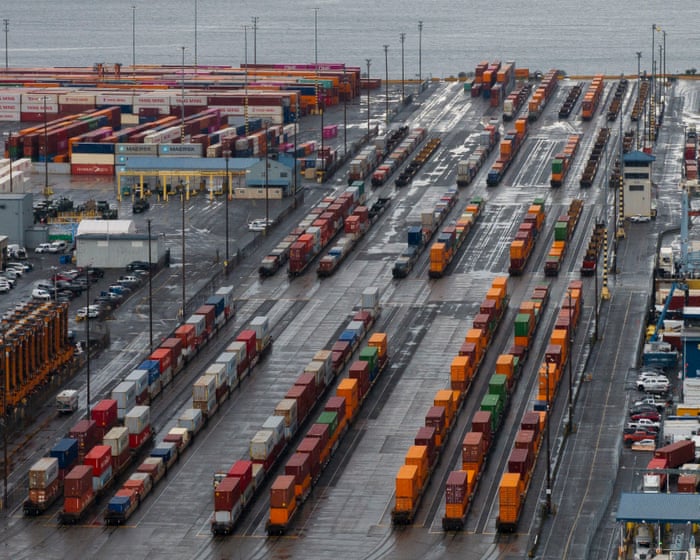
- The U.S. imports about $170 billion worth of goods that may involve forced labor at some point in their supply chains.
- Forced labor is common in U.S. industries like electronics, clothing, fish, and minerals sourced from abroad.
- According to the Global Slavery Index, 1.1 million people in the U.S. lived in modern slavery in 2021, mostly in domestic work, agriculture, and construction.
- The U.S. allows forced labor in its prison system, where about 800,000 prisoners work, often under threat of punishment.
- Other countries with tariffs imposed by the U.S., like Canada, have lower rates of forced labor among their populations.
- While the U.S. bans imports made with forced labor on paper, enforcement of these laws is weak or inconsistent.
Read the Full Article
This is a fact-based summary from The Actual News. Click below to read the complete story directly from the original source.