Stalled vessels near Strait of Hormuz could trigger invasive species catastrophe
Summary
Scientists warn that more than 1,500 ships stuck near the Strait of Hormuz could cause invasive species to spread around the world. Marine plants and animals can attach to the ships when they stay still for a long time and then move to new places, harming local ecosystems.Key Facts
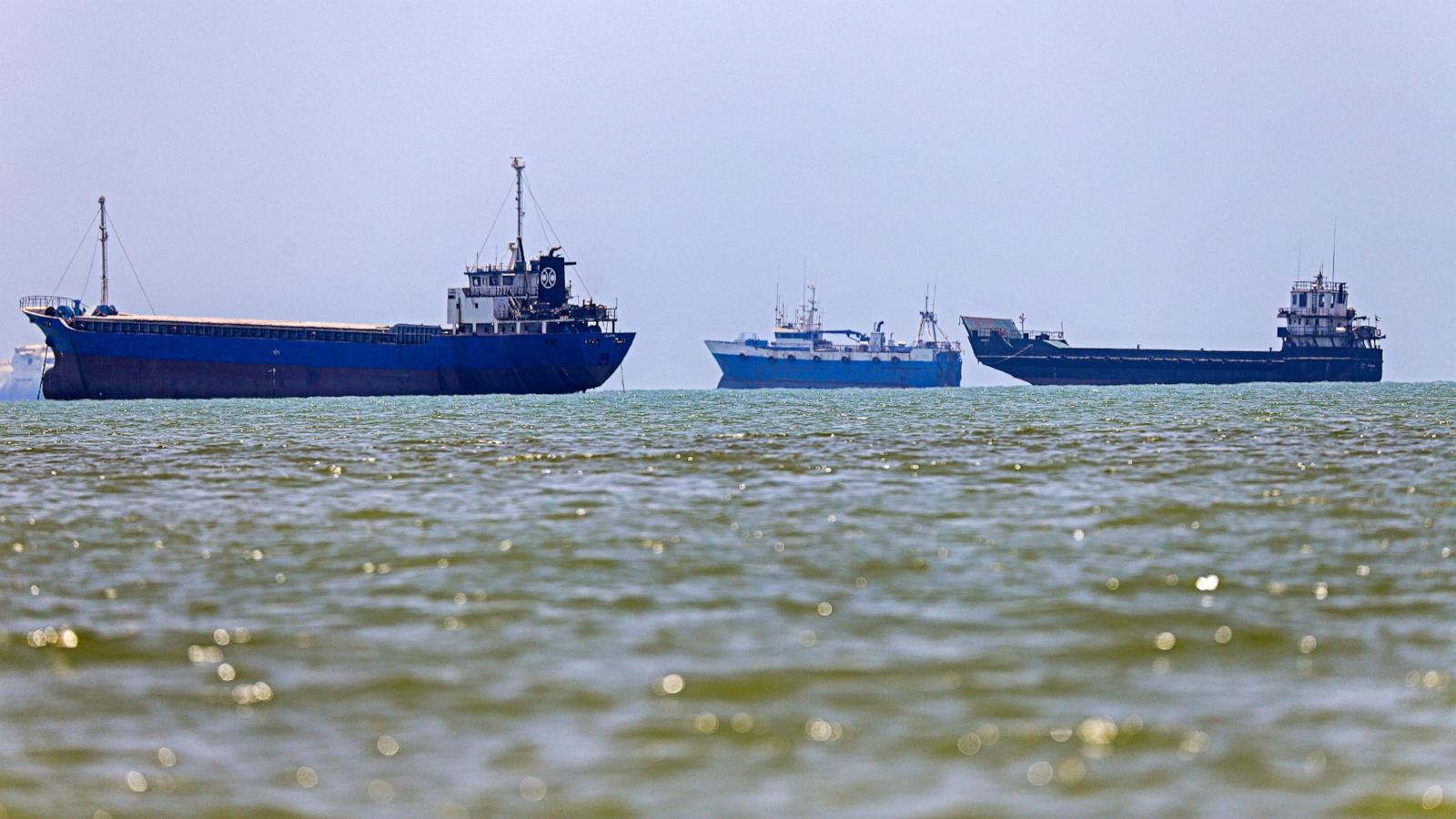
- Over 1,500 ships are currently stuck in the Persian Gulf near the Strait of Hormuz, with hundreds more in the Gulf of Oman.
- The Strait of Hormuz is a key waterway for about 20% of the world’s oil supply and has been disrupted by conflict with Iran.
- Ships that remain idle for long periods can accumulate marine organisms like algae, bacteria, and small animals on their hulls, called biofouling.
- These attached organisms can spread to new environments when ships start moving again, potentially causing invasive species problems.
- Invasive species often cause damage to local ecosystems, fisheries, and aquaculture industries by disrupting natural balance.
- Zebra mussels, originally from the Caspian and Black Seas, spread across US waterways after being transported on ships, causing long-term ecological challenges.
- Ships use special anti-fouling paint to prevent growth on their hulls, but this paint loses effectiveness if ships stay still too long.
- Similar growth problems occurred during the COVID-19 pandemic when many ships were delayed and stationary worldwide.
Read the Full Article
This is a fact-based summary from The Actual News. Click below to read the complete story directly from the original source.