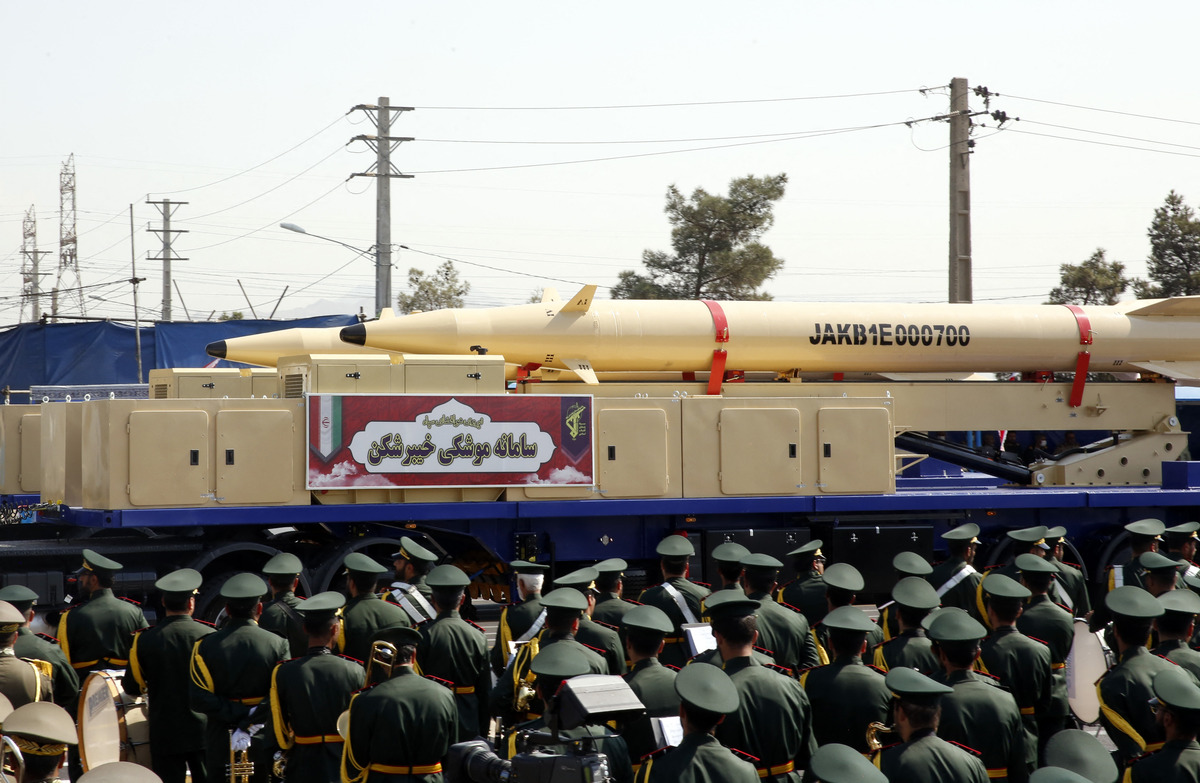
Israel and the cost paradox of the Iran war
Summary
The conflict between Israel, the United States, and Iran since February 28 has shown an unusual pattern: Iran and its allies face most of the damage and costs, while Israel experiences fewer attacks and benefits economically. Iran’s strategy of using allied groups across the region is weakening, and Iran now bears more of the war’s burden.Key Facts
- The war began on February 28 and involves the US, Israel, and Iran.
- Iran used a network of allied groups in Lebanon, Yemen, and Iraq to confront Israel indirectly.
- Israel’s main ally groups, like Hezbollah and pro-Iran factions in Iraq, have been weakened by Israeli and US actions.
- Iran’s attacks have focused on Gulf countries’ civilian and energy infrastructure rather than heavily targeting Israel.
- Israeli air defenses, including the US-supported Iron Dome, have stopped many Iranian missiles aimed at Israel.
- The Israel stock market and currency have grown stronger during the war, and Israel’s defense industry profits have increased.
- The Gulf states and civilians there have faced most of the damage from Iranian attacks.
- Iran is under growing pressure as its long-term strategy to surround Israel with allied groups is falling apart.
Read the Full Article
This is a fact-based summary from The Actual News. Click below to read the complete story directly from the original source.