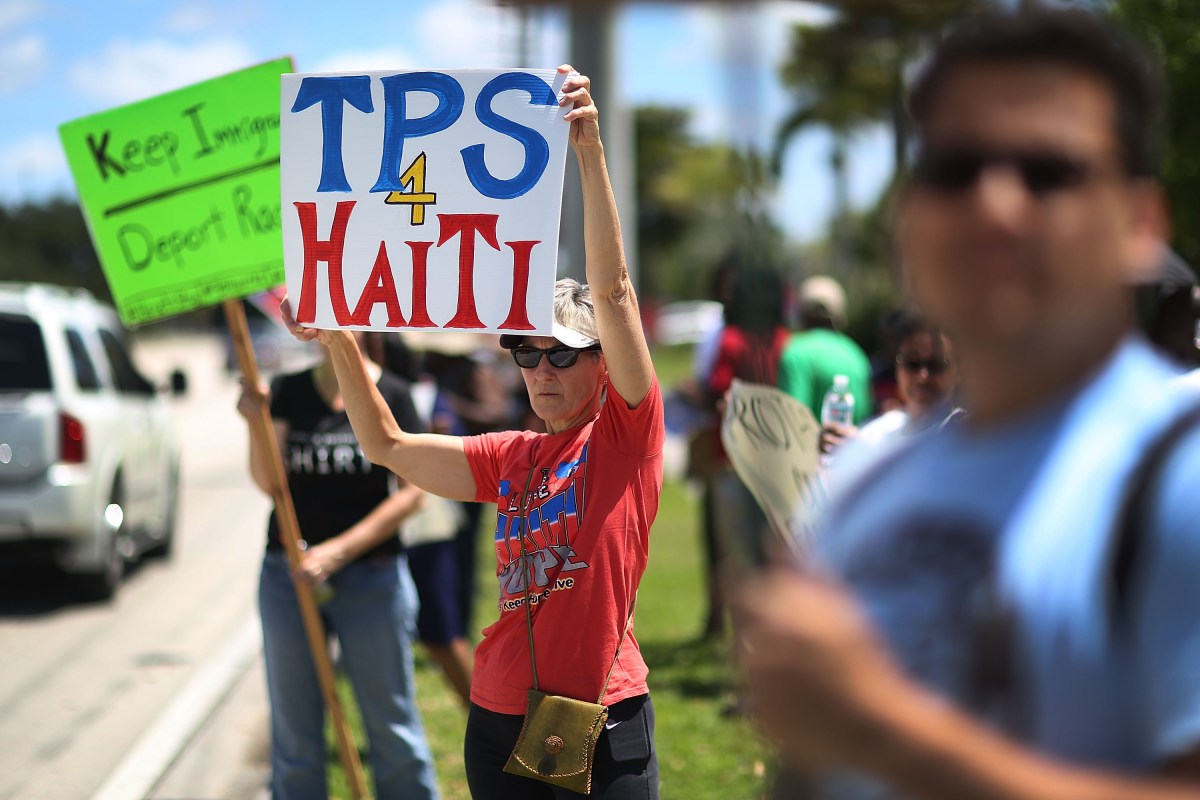
Map Shows States With Most Haitian Migrants as TPS Ends
Summary
Temporary Protected Status (TPS) for hundreds of thousands of Haitian immigrants is ending, with Florida having the largest number affected. Many Haitian workers could lose their permission to work legally and face deportation, which may impact local economies and industries.Key Facts
- TPS protections for Haitians are set to expire soon after the Supreme Court upheld the Trump administration’s effort to end them.
- Florida has about 158,000 Haitian TPS holders, the highest in the U.S., followed by New York, Massachusetts, New Jersey, Pennsylvania, and Ohio.
- Haitians under TPS contribute nearly $5.9 billion annually to the U.S. economy and pay significant federal, state, and local taxes.
- Florida’s Haitian TPS workers generate roughly $2.6 billion yearly, with many employed in food service, agriculture, warehousing, security, and healthcare.
- The end of TPS may cause labor shortages, especially in healthcare sectors needing nurses and care workers, due to Florida’s aging population.
- The U.S. government says TPS was temporary and decided Haiti no longer meets the conditions to continue the program after reviewing the country’s situation.
- Haiti remains unstable due to violence and gang control, with the U.S. State Department advising against travel there.
- Economic effects of ending TPS may vary, but some cities with large Haitian communities may face significant impacts.
Read the Full Article
This is a fact-based summary from The Actual News. Click below to read the complete story directly from the original source.