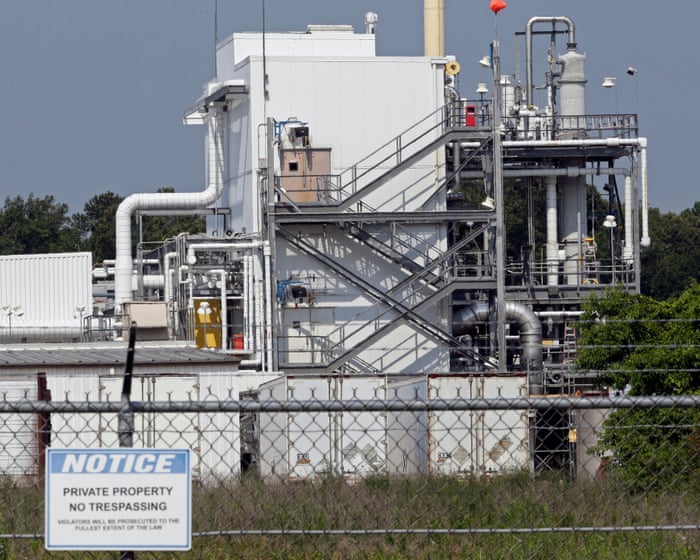
US environmental groups urge EPA to reject new Pfas to cool datacenters
Summary
Seventeen environmental groups asked the U.S. Environmental Protection Agency (EPA) to reject a new chemical called Opteon 2P50 made by Chemours. This chemical is meant to cool datacenters but is likely toxic and harmful to the environment. The groups say Chemours used poor science to make the chemical seem less dangerous and accuse the EPA of rushing approval under a Trump administration order.Key Facts
- Seventeen environmental groups formally asked the EPA to reject Chemours’ new chemical Opteon 2P50 for datacenter cooling.
- Opteon 2P50 is part of a class of chemicals called PFAS, known as "forever chemicals" because they do not break down and can harm human health.
- Datacenters use large amounts of water to cool equipment, so some use two-phase cooling systems that rely on PFAS gases instead.
- The environmental groups say the chemical is more toxic and has greater climate risks than Chemours claims.
- Chemours wants fast approval under a Trump executive order that speeds up review of datacenter chemicals.
- The EPA must legally consider health risks, despite the Trump order to prioritize speedy reviews.
- Critics say Chemours’ safety data relies on tests using rat types less sensitive to PFAS chemicals and lacks important toxicity data.
- PFAS chemicals are linked to cancer, liver and kidney problems, and immune issues; one breakdown product, TFA, was recently classified as hazardous in Europe.
Read the Full Article
This is a fact-based summary from The Actual News. Click below to read the complete story directly from the original source.