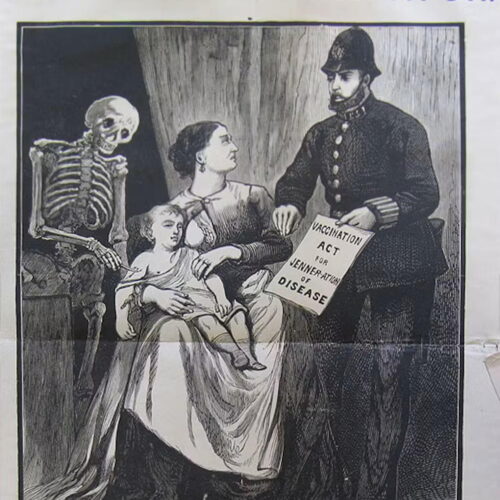
What public health professionals can learn from anti-vaccine storytelling
Summary
The article explains that vaccine hesitancy, or doubt about vaccines, has existed for a long time and is still common today. It highlights that simply giving people facts about vaccines does not always change their minds because vaccine hesitancy is influenced by many issues including trust, social connections, and personal beliefs. It also notes that anti-vaccine groups use powerful stories to spread their message, which can be more effective than just facts.Key Facts
- Vaccine hesitancy means refusing or delaying vaccines despite medical advice.
- Vaccine doubt has existed since at least the 19th century, including riots against the smallpox vaccine in England.
- In the U.S., anti-vaccine groups have been around since the 1890s.
- Simply providing more scientific information has limited success in changing vaccine-hesitant views.
- Vaccine hesitancy is called a “wicked problem” because it is caused by many factors like misinformation, distrust, and personal beliefs.
- People who hesitate to vaccinate are not all the same; they can be well-educated and know about health.
- Anti-vaccine groups use emotional and dramatic stories to influence people, which often focus on personal freedom or distrust rather than just vaccine facts.
- Public health messages based on facts can seem less exciting compared to the stories told by vaccine skeptics.
Read the Full Article
This is a fact-based summary from The Actual News. Click below to read the complete story directly from the original source.