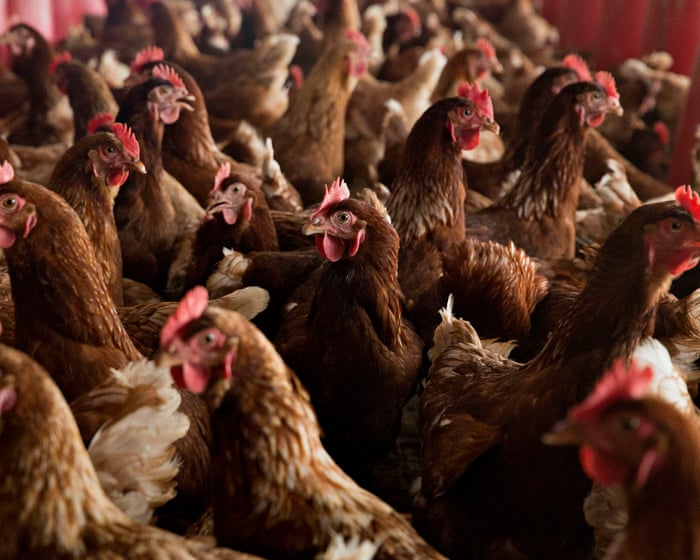
Organic eggs have worse impact on climate than eggs from caged chickens
Summary
A study found that organic free-range eggs produce about twice as much greenhouse gas as eggs from cage-raised chickens. This is because free-range chickens are less efficient and more of them are needed to make the same number of eggs, leading to higher environmental impacts.Key Facts
- Organic free-range egg production emits around 2,316,000 tonnes of CO2 equivalent, nearly double the 1,184,000 tonnes from fully caged systems in the UK.
- Free-range systems require more chickens to produce the same number of eggs, reducing efficiency.
- Organic free-range farming also has greater impacts on water pollution, soil acidification, and land use.
- Chicken death rates are higher in organic free-range systems compared to caged methods.
- The study used data from 2009-2010 and did not include effects on pesticides or biodiversity.
- Egg production is less studied for environmental impact compared to meat and dairy.
- Current UK egg production uses a mix of caged, barn, free-range non-organic, and free-range organic systems, producing about 1,439,000 tonnes of CO2 equivalent.
- Experts say the study shows trade-offs and does not capture the full environmental effects, such as soil health and animal welfare.
Read the Full Article
This is a fact-based summary from The Actual News. Click below to read the complete story directly from the original source.