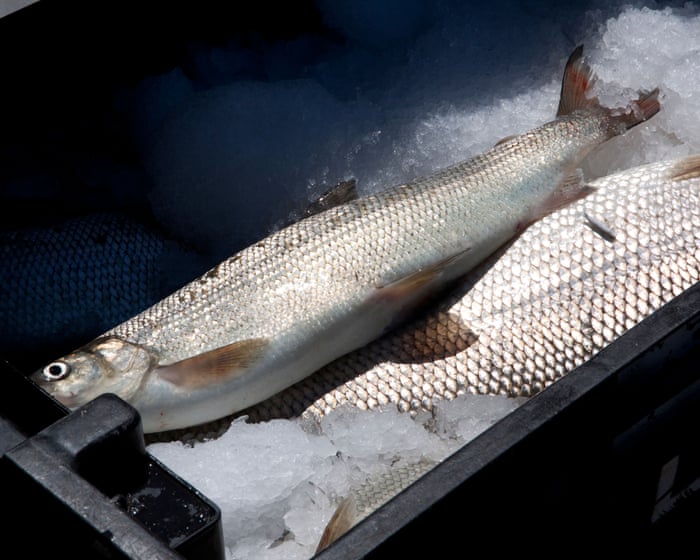
The Great Lakes’ most emblematic fish could be consigned to history books
Summary
The lake whitefish, once a key fish species in the Great Lakes and important to local communities and economies, has sharply declined since the 1990s. This decline is mainly due to invasive mussels, which disrupted the food chain by removing tiny organisms that the whitefish’s young feed on. Scientists warn that lake whitefish could disappear from parts of the Great Lakes within five years.Key Facts
- Lake whitefish was historically a major and valued fish in the Great Lakes region, especially around Lake Erie.
- Indigenous communities have relied on lake whitefish for centuries.
- The decline in lake whitefish began in the 1990s when fewer young whitefish were seen.
- Invasive zebra and quagga mussels, introduced through ships, have removed phytoplankton, which are food for diporeia, a small crustacean that baby whitefish eat.
- This disruption caused a collapse in the food chain affecting whitefish survival.
- Commercial fishing for lake whitefish in the Great Lakes has greatly decreased, particularly in US waters.
- Warmer temperatures may allow invasive mussels to spread further, threatening fish populations in Lake Superior.
- Some Indigenous fishers rely heavily on lake whitefish for income but now face difficulties as fish numbers drop.
Read the Full Article
This is a fact-based summary from The Actual News. Click below to read the complete story directly from the original source.