What happens when you put AI to work deciphering lost languages?
Summary
Researchers are using artificial intelligence (AI) to help decode ancient languages like Linear A and Etruscan, which have not been fully understood because they lack known reference points. AI speeds up testing and pattern recognition but still depends on human ideas and known language connections to make real progress.Key Facts
- Linear A is an ancient writing system from the Minoan civilization on Crete with no known related language or bilingual texts.
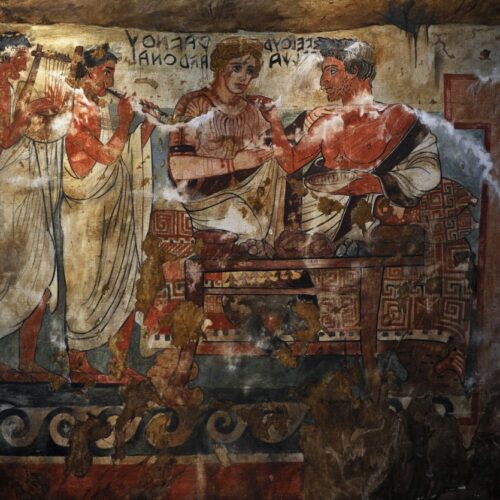
- Etruscan was spoken in Italy before Rome but remains only partially understood, mainly from short burial inscriptions.
- In June 2026, an AI engineer suggested Linear A might belong to the Semitic language family by testing a linguistic hypothesis with AI tools.
- AI helps by quickly checking patterns across thousands of characters and completing damaged texts, tasks that take humans much longer.
- AI uses “cross-lingual transfer” to apply knowledge from known languages to related unknown ones, useful when languages are connected.
- Without a known language to anchor it, AI cannot find true meaning alone; it needs existing linguistic references or bilingual texts.
- The Minoan civilization is famous for its impressive architecture and art but still challenges linguists because of missing linguistic anchors.
- AI acts as a research assistant rather than a creator of new ideas in deciphering lost languages.
Read the Full Article
This is a fact-based summary from The Actual News. Click below to read the complete story directly from the original source.