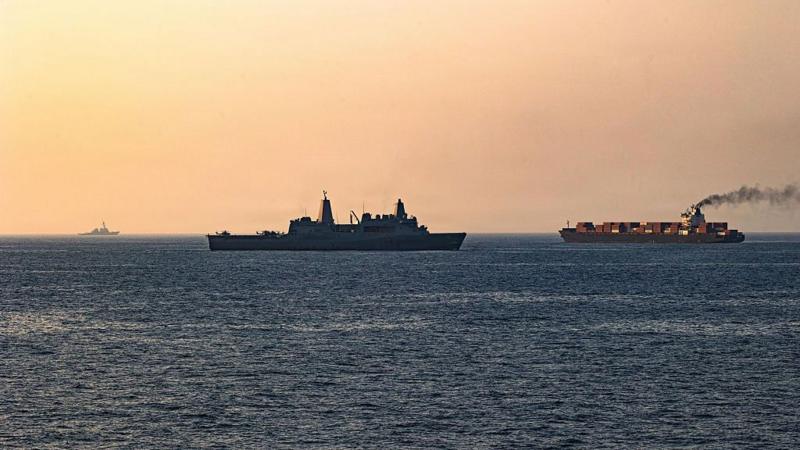
The world’s most important 21 miles
Summary
The Strait of Hormuz is a narrow waterway between the Persian Gulf and the Gulf of Oman. About 20% of the world’s traded oil and a similar share of natural gas pass through it, making it a vital route for global energy supplies. Recent conflicts and attacks in the area have disrupted shipping, causing oil prices to rise worldwide.Key Facts
- The Strait of Hormuz is about 21 miles wide at its narrowest point.
- It connects major oil exporters in the Middle East like Saudi Arabia, Iraq, UAE, Kuwait, and Iran to markets in Asia, Europe, and North America.
- Around one-fifth of the world’s traded crude oil passes through the strait daily.
- Recent attacks by Iran on oil infrastructure have lowered tanker traffic and production in the area.
- Iran uses missiles and low-cost drones to target ports and refineries, making defense difficult.
- Limited pipelines exist to bypass the strait, but they cannot replace its full oil-carrying capacity.
- Reduced oil exports from this region have caused global oil prices to increase, affecting consumers worldwide, including in the United States where gas prices are over $4 per gallon.
- The Strait of Hormuz’s status heavily influences global energy security and market stability.
Read the Full Article
This is a fact-based summary from The Actual News. Click below to read the complete story directly from the original source.