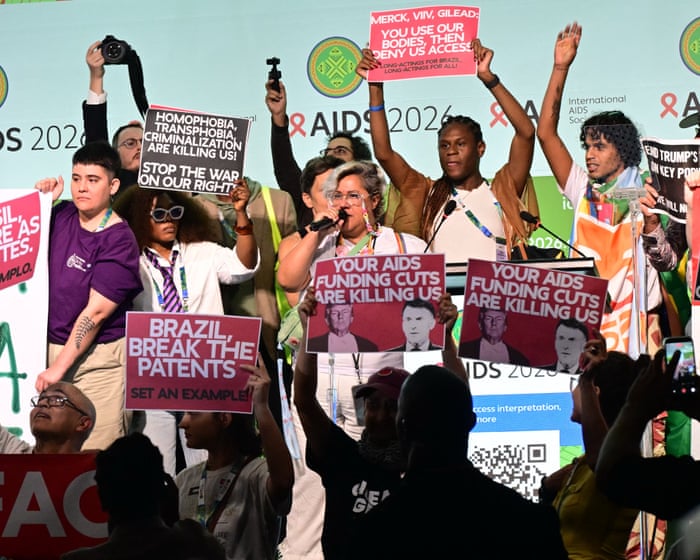
HIV prevention drug could reduce cases globally but USAID cuts prevent access, say experts
Summary
New HIV prevention medicine, lenacapavir, needs to be made more available worldwide because it only requires two injections a year and can greatly reduce new HIV cases. However, cuts to US foreign aid funding are limiting access to this medicine and reducing support for prevention services, especially affecting vulnerable groups.Key Facts
- Lenacapavir is an injectable HIV prevention drug that needs only two shots per year.
- It is part of PrEP, a group of medicines that are 99% effective at preventing HIV if taken as directed.
- The World Health Organization urges countries to expand access to lenacapavir, especially for people who find it hard to get daily or bi-monthly medication.
- A WHO and United Nations study estimates that using lenacapavir widely could prevent 41% of new HIV infections in some African countries.
- The Trump administration’s cuts to USAID, which provided most HIV prevention funding worldwide, have reduced resources for HIV medication and outreach programs.
- Reduced funding has caused harm reduction groups to cut services like peer outreach, which is vital for people who inject drugs and are at high risk of HIV.
- Some organizations have had to close locations or reduce mobile services, making it harder for at-risk people to access help.
- Experts warn that these funding cuts are reversing progress in HIV prevention and care globally.
Read the Full Article
This is a fact-based summary from The Actual News. Click below to read the complete story directly from the original source.