Is building a new stadium a way around spending rules?
Summary
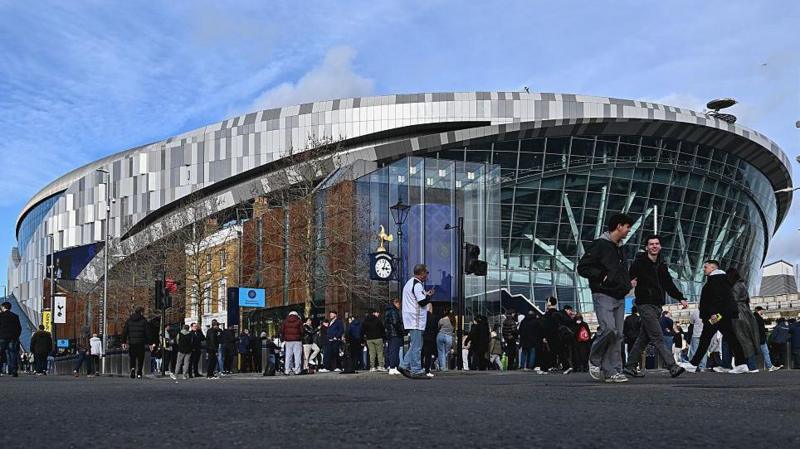
Tottenham Hotspur’s new stadium has greatly increased the club’s income, especially from matchday events and hosting concerts and sports outside football. The Premier League’s financial rules limit spending on players based on revenue but do not count stadium costs, allowing Tottenham to invest heavily in infrastructure while still spending on players.Key Facts
- Tottenham’s matchday revenue rose from £45 million in 2016-17 to £126 million in 2024-25 after moving to their new stadium.
- The stadium hosts up to 30 non-football events a year, including concerts and NFL games, boosting commercial income from £73 million to £277 million in the same period.
- The Premier League replaced its old financial rules with new ones focusing on limiting player-related spending as a percentage of club revenue.
- Stadium costs are excluded from the new spending limit calculations, allowing Tottenham to spend about £70 million a year on stadium infrastructure without affecting player budgets.
- Tottenham borrowed money at low interest rates to fund the stadium, making the investment financially beneficial.
- The club used the extra income to sign players like Sandro Tonali for a record fee up to £100 million.
- Other clubs, such as Manchester United, are also planning new large stadium projects costing billions.
- Building or renovating stadiums can be a way for football clubs to increase revenue and financial flexibility under current league rules.
Read the Full Article
This is a fact-based summary from The Actual News. Click below to read the complete story directly from the original source.