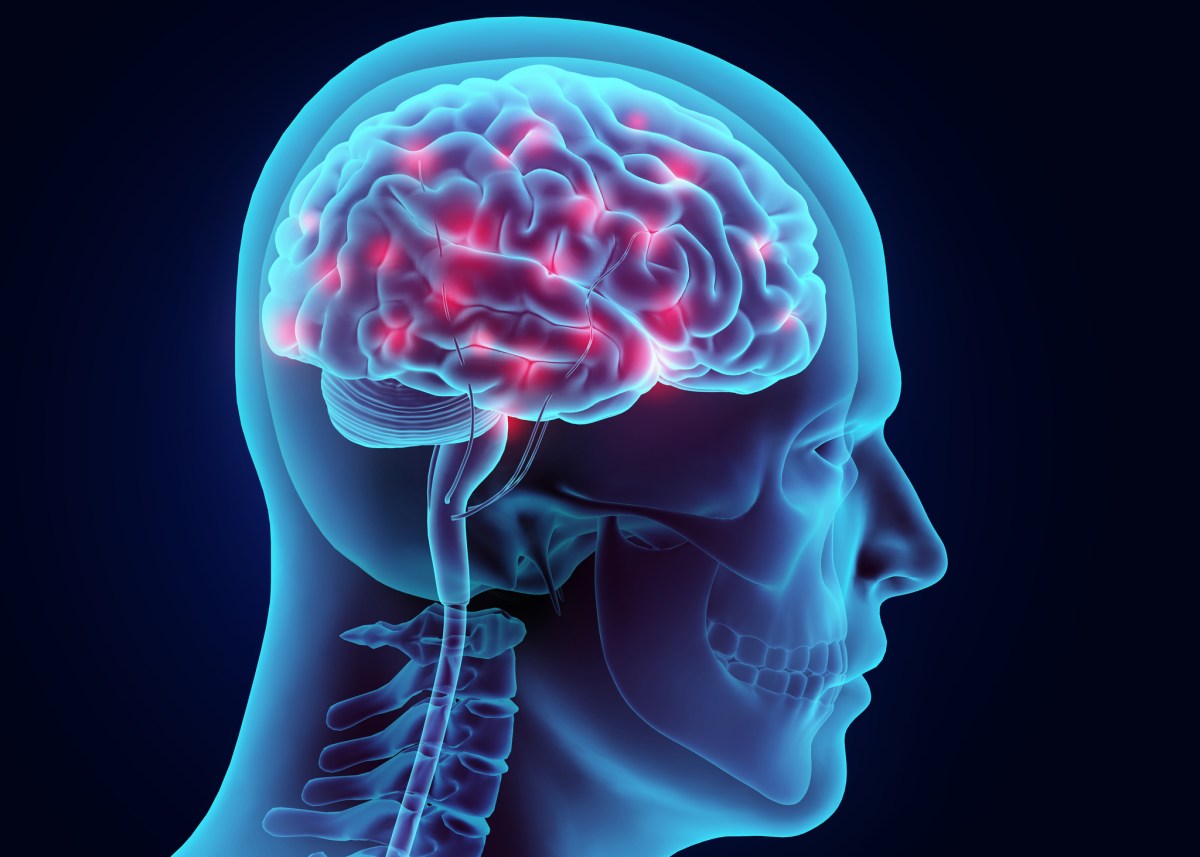
Neuroscientist Says Your Brain Needs One Thing Before You Can Sleep
Summary
A cognitive neuroscientist explains that the brain needs to feel safe to fall asleep. Stress and anxiety can keep the brain in a state of alertness, making it hard to relax and sleep well. Biological systems like the circadian rhythm and chemical signals also play a role in sleep regulation.Key Facts
- Sleep is controlled by the circadian rhythm (our internal 24-hour clock) and sleep-wake homeostasis (which tracks sleep need).
- The circadian rhythm adjusts melatonin, a hormone that makes us sleepy, based on light and darkness.
- Adenosine is a chemical that builds up during the day and makes us feel tired; caffeine blocks its effect to keep us awake.
- Stress increases cortisol, which can interfere with normal sleep processes.
- The brain struggles to sleep when it feels “unsafe,” due to past memories or worries about the future.
- When stressed, the brain enters a "fight or flight" mode, increasing heart rate and brain activity, stopping sleep.
- Good sleep requires the brain to slow down and shift from active thinking (beta waves) to relaxation (alpha waves).
- Writing down things you are grateful for every night can help train the brain to feel safe and improve sleep.
Read the Full Article
This is a fact-based summary from The Actual News. Click below to read the complete story directly from the original source.