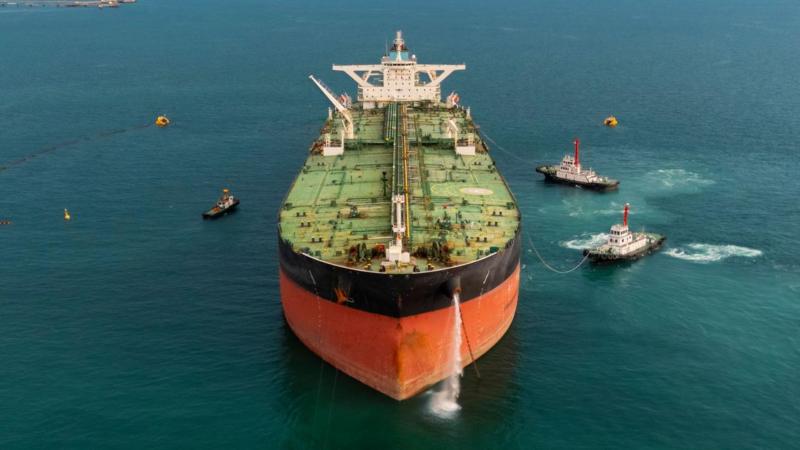
Threat to oil tankers in Middle East worst since start of Iran war, analysts say
Summary
The threat to oil tankers in the Middle East is the highest since the Iran war began, with attacks increasing on key shipping routes like the Red Sea and the Strait of Hormuz. These attacks, including those by Yemen’s Houthi fighters, have caused many ships to avoid these areas or turn off tracking devices to stay safe.Key Facts
- Fewer ships are passing through the Strait of Hormuz, dropping from over 100 daily before the war to about 8 recently.
- About 20% of the world's oil and gas normally moves through the Strait of Hormuz.
- A calm period after a US-Iran peace deal saw increased traffic, but new strikes have reduced it again.
- Many ships turn off transponders to avoid being detected when passing through dangerous areas.
- Yemen’s Houthi fighters have attacked Saudi oil tankers in the Red Sea, blocking Saudi ports there since July 20.
- The risk area for tanker traffic now includes parts of Saudi waters and the Red Sea, making navigation harder.
- Around half the usual number of ships now pass through the southern Bab el-Mandeb strait, with some also turning off their trackers.
- Iran denies negotiating a deal to reopen the Strait of Hormuz but is talking with Oman about security.
Read the Full Article
This is a fact-based summary from The Actual News. Click below to read the complete story directly from the original source.