Supreme Court Birthright Citizenship Ruling—3 Things Trump Could Do Next
Summary
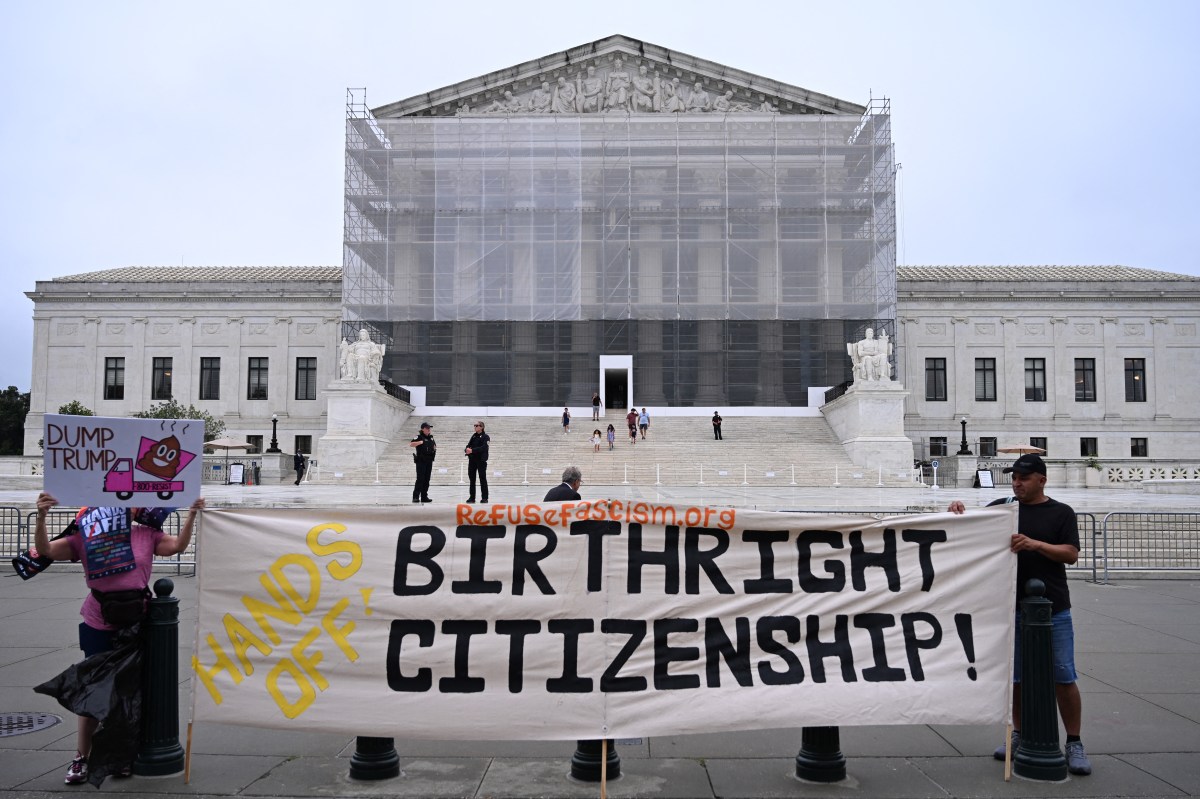
The Supreme Court ruled that children born in the U.S. to parents who are in the country illegally or temporarily are citizens by birth under the 14th Amendment. President Donald Trump's attempt to end birthright citizenship through an executive order was blocked, and the administration missed the deadline to ask the Supreme Court to reconsider. Now, Trump and some Republicans are exploring options like passing new laws or amending the Constitution to change birthright citizenship rules.Key Facts
- On June 30, the Supreme Court confirmed children born in the U.S. to unauthorized or temporary residents have citizenship at birth.
- Trump signed an executive order in January 2025 to stop automatic citizenship for these children, but courts blocked it.
- The Trump administration did not ask the Supreme Court to review the decision again before the deadline.
- Some Republicans, including House Speaker Mike Johnson and Senator Mike Lee, say a constitutional amendment might be needed to change birthright citizenship.
- Changing the Constitution requires approval by two-thirds of Congress and ratification by 38 states, which is very difficult.
- Trump has asked Congress to pass new laws to limit birthright citizenship instead of waiting for a constitutional amendment.
- Several Republican lawmakers have introduced bills to restrict automatic citizenship for children born to non-citizen parents.
- These bills propose changes to existing immigration laws to redefine who qualifies for citizenship at birth.
Read the Full Article
This is a fact-based summary from The Actual News. Click below to read the complete story directly from the original source.