Regenerative Medicine’s Next Test: Whether the Process Matches the Promise
Summary
Regenerative medicine is growing quickly, with over 10,000 clinical trials testing stem cells and other advanced treatments. Regulators like the U.S. FDA and European agencies warn that many products are marketed before enough testing, raising concerns about safety and effectiveness. Clinics and companies are now focusing more on following rules and being transparent about how these treatments are made and used.Key Facts
- Regenerative medicine uses stem cells and similar advanced therapies to treat illness and injury.
- There are more than 10,000 clinical trials worldwide in this field.
- The U.S. Food and Drug Administration warns many regenerative therapies are sold without enough study or approval.
- Europe also warns that unregulated therapies may cause serious side effects without proven benefits.
- The International Society of Stem Cell Research says selling stem cell treatments without full review breaks scientific and medical rules.
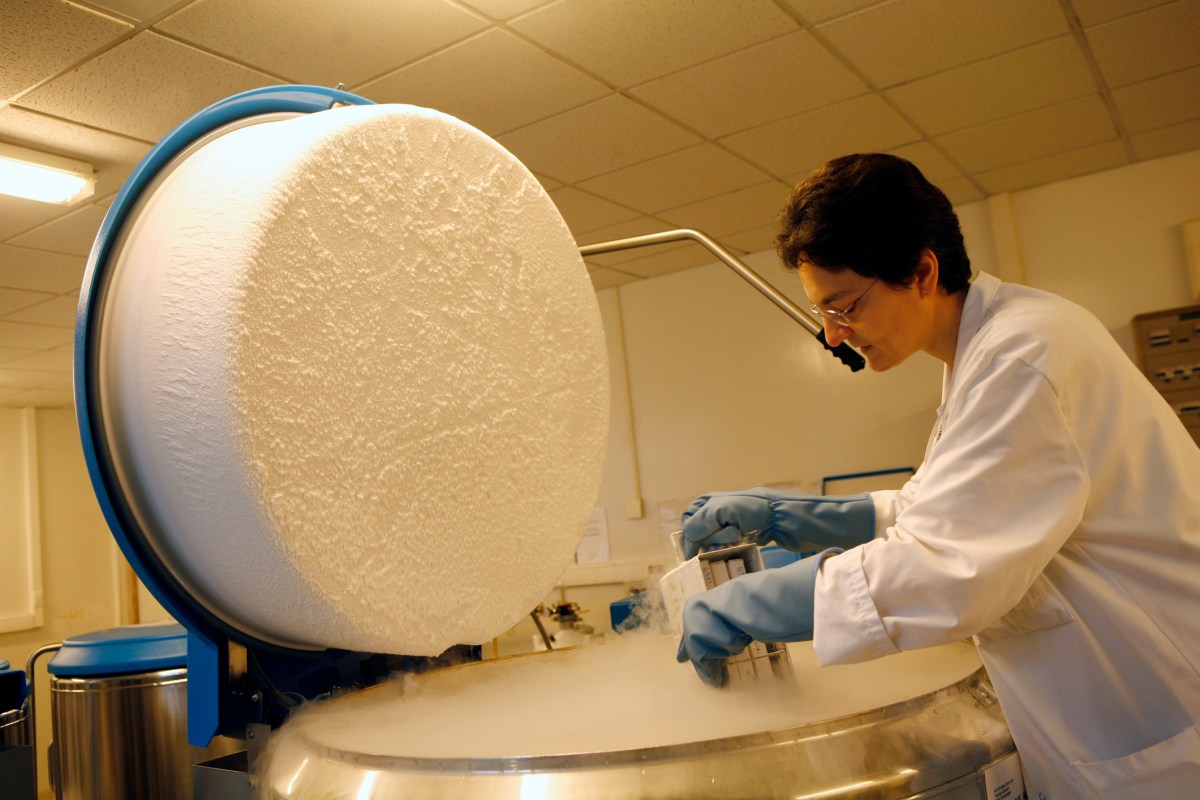
- Cell-based medicines depend on factors like the source of cells and how they are handled, so strict manufacturing and tracking are needed.
- Mesenchymal stem cells (MSCs) are widely studied but work in complex ways not fully understood.
- Safety controls help reduce risks but don’t guarantee a treatment will work for a specific disease.
Read the Full Article
This is a fact-based summary from The Actual News. Click below to read the complete story directly from the original source.