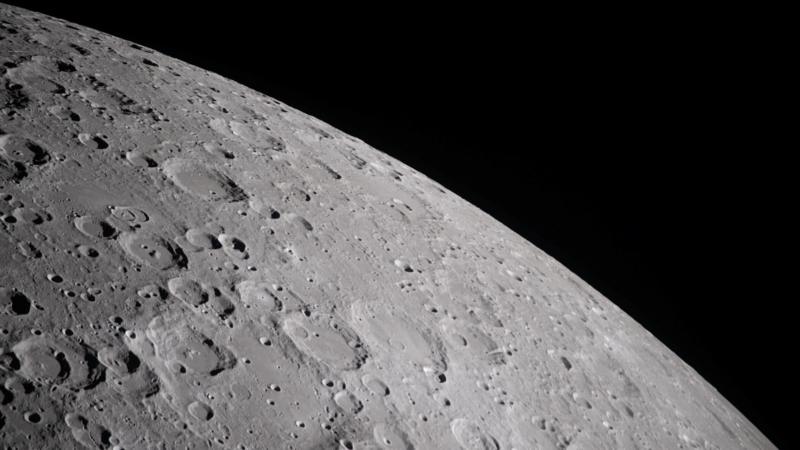
What can scientists learn from a stray SpaceX rocket hitting the Moon?
Summary
A used stage of a SpaceX Falcon 9 rocket crashed into the Moon near the Einstein crater, creating a small impact crater. Scientists are studying the crash to learn more about lunar impacts and improve future Moon missions.Key Facts
- The Falcon 9 rocket part struck the Moon at about 5,400 mph (8,700 km/h).
- The impact site is near the Einstein crater, a large lunar landmark.
- The rocket stage was left in orbit after launching two lunar landers in January last year.
- Over 18 months, gravitational pulls and sunlight nudged the rocket part toward the Moon.
- The crash happened in daylight and was too quick and faint to see with most telescopes.
- Scientists expect dust plumes from the impact could have been visible for minutes.
- South Korea’s Danuri orbiter passed near the site shortly before the crash but did not catch live footage.
- NASA’s Lunar Reconnaissance Orbiter will photograph the crater soon to compare before-and-after images.
- Knowing the rocket’s size, speed, and impact location makes this a valuable natural experiment for studying lunar geology and impact effects.
Read the Full Article
This is a fact-based summary from The Actual News. Click below to read the complete story directly from the original source.