The Middle East’s Most Dangerous Chokepoint Has No Oil
Summary
The Al-Aqsa compound in Jerusalem, a holy site for both Muslims and Jews, has been managed by an agreement between Israel and Jordan for nearly 60 years. Recently, Israeli police, under a new hard-right minister, have changed the rules around Jewish prayer and visits, causing concern among Jordan and other Muslim countries. These changes could strain relations and increase tensions in the region.Key Facts
- The Al-Aqsa compound is a 35-acre religious site in Jerusalem important to Muslims and Jews.
- Israel captured East Jerusalem, including the site, in the 1967 Six-Day War but allowed Jordan's Waqf to administer the Islamic areas.
- The 1994 Israel-Jordan peace treaty recognized Jordan’s special role in overseeing the Muslim holy sites in Jerusalem.
- Under a long-standing agreement (the "status quo"), Muslims can pray freely on the site, while Jews may only visit at certain times and are not allowed to pray there.
- Jewish activists want the right to pray at the compound, which many Muslims see as a threat to the current arrangement.
- Since January, Israeli police have started allowing Jewish visitors to bring prayer sheets, signaling a shift in policy.
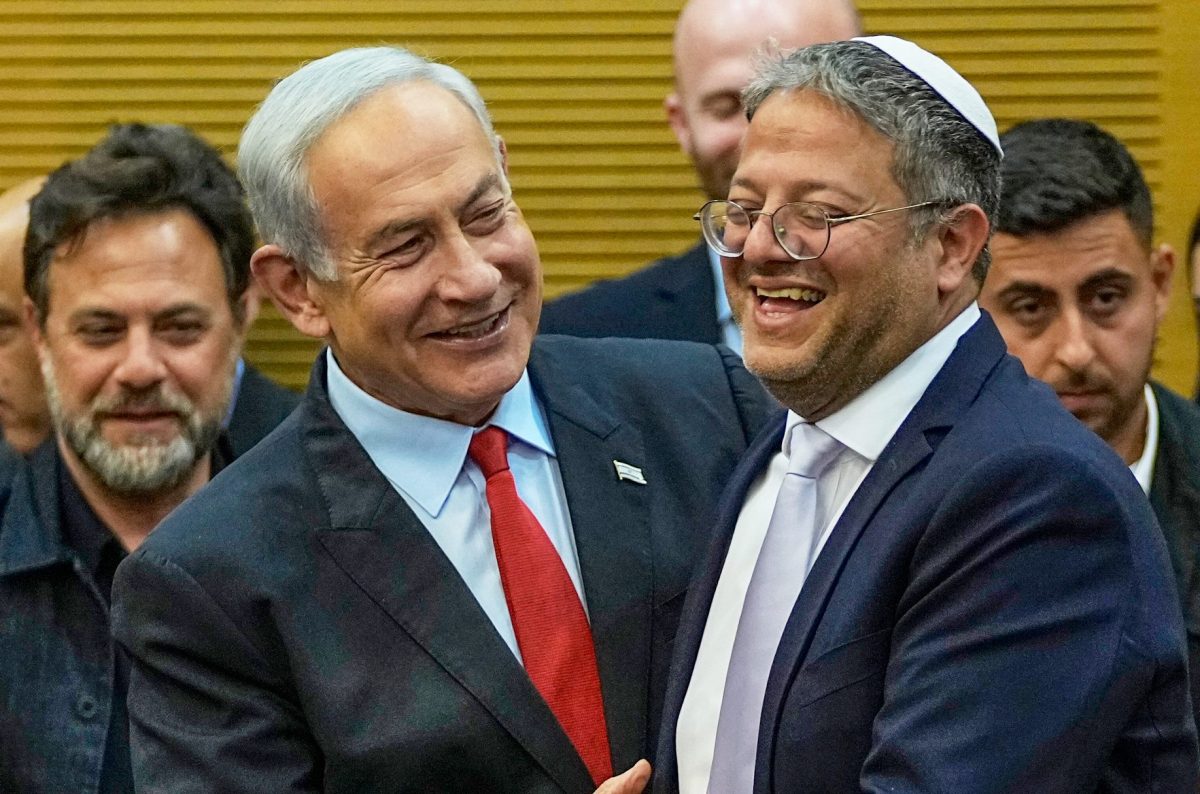
- This shift has been led by National Security Minister Itamar Ben Gvir, who supports expanding Jewish prayer rights on the site.
- Jordan is currently hosting ministers from 13 Arab and Islamic countries to discuss the situation and possible responses.
Read the Full Article
This is a fact-based summary from The Actual News. Click below to read the complete story directly from the original source.