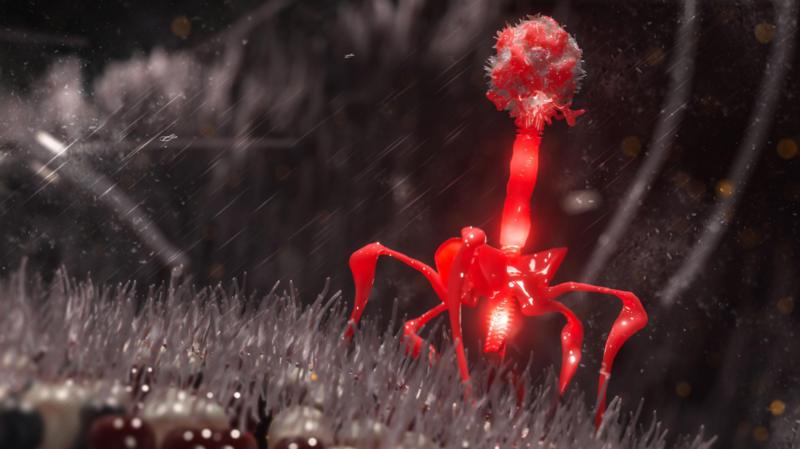
Artificial Intelligence used to design brand new viruses
Summary
Scientists in the US used artificial intelligence (AI) to design 16 new viruses that infect only bacteria, not humans. This is the first time AI has created complete viral genomes that can replicate, marking a big step in synthetic biology with potential medical uses and safety concerns.Key Facts
- AI designed entirely new viruses called bacteriophages, which attack bacteria.
- These viruses were created using AI models trained on genetic data from viruses, bacteria, plants, and humans.
- Researchers tested 302 AI-designed viruses and found 16 effectively killed E. coli bacteria in lab dishes.
- The work was done by Stanford University scientists using two AI models named Evo1 and Evo2.
- This research could help develop new treatments for antibiotic-resistant infections.
- The study was published in the journal Science and was described as a major scientific breakthrough.
- Experts warn about the biosecurity risks of AI designing viruses that could be harmful.
- To reduce risks, the team avoided viruses that infect humans and worked in secure labs.
Read the Full Article
This is a fact-based summary from The Actual News. Click below to read the complete story directly from the original source.