Iran’s grip on trade is a potent weapon, but it has an expiry date
Summary
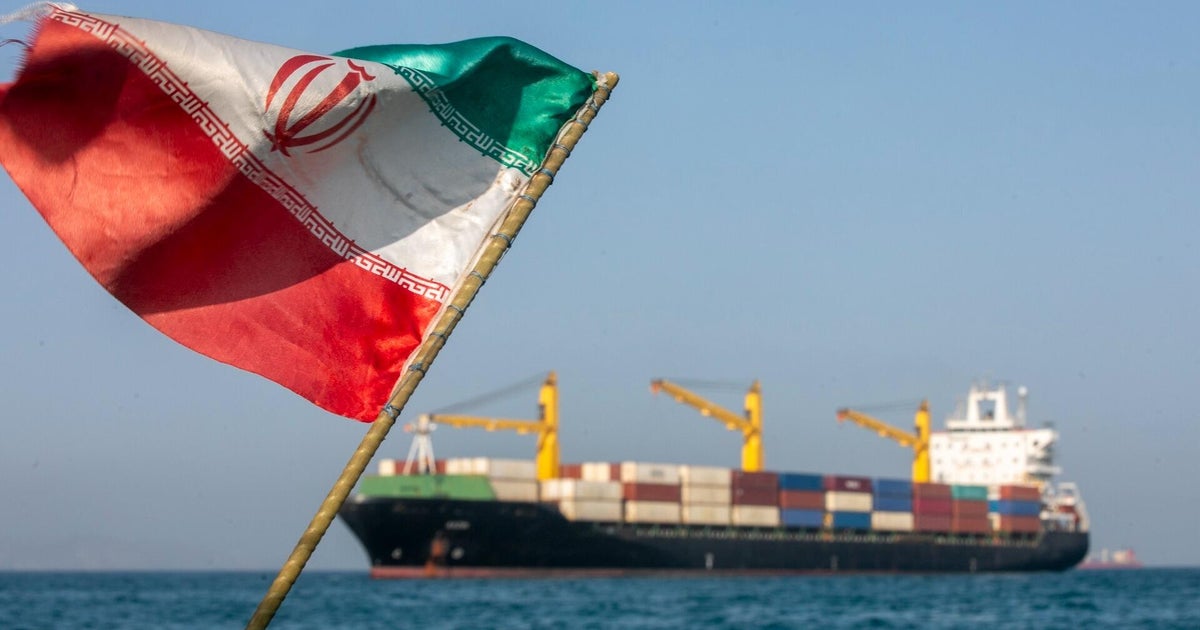
Iran has used its control over the Strait of Hormuz to greatly reduce shipping traffic, cutting daily vessel passages by about 96% compared to the previous year. This disruption affects global oil and gas shipments, raising costs and risks for producers, importers, and insurers, and giving Iran political influence in the region.Key Facts
- The Strait of Hormuz is a key shipping route for about one-quarter of the world’s seaborne oil trade.
- In early August, only about 4 ships passed daily through the strait, down from about 90 during the same week in 2025.
- Oil and gas shipments through Hormuz dropped from 3.5 million to around 143,000 metric tonnes per day—a 96% decrease.
- Iran controls this narrow waterway and can disrupt traffic using threats or attacks involving missiles, mines, drones, or ship seizures.
- Most oil passing through Hormuz goes to Asia, with China and India receiving 44% of the crude oil shipped there.
- Disruptions cause higher insurance costs, longer shipping times, and increased energy prices worldwide, even affecting U.S. fuel costs.
- The disruption also affects exports of key fertilizers, which India imports heavily through Hormuz.
- These impacts give Iran leverage to influence Gulf states, Asian importers, and the U.S. to seek de-escalation.
Read the Full Article
This is a fact-based summary from The Actual News. Click below to read the complete story directly from the original source.